There was once a land so rich and mysterious that it was hailed as a paradise by ancient pharaohs, yet today its exact location remains one of history’s tantalizing enigmas.
There was once a land so rich and mysterious that it was hailed as a paradise by ancient pharaohs, yet today its exact location remains one of history’s tantalizing enigmas.
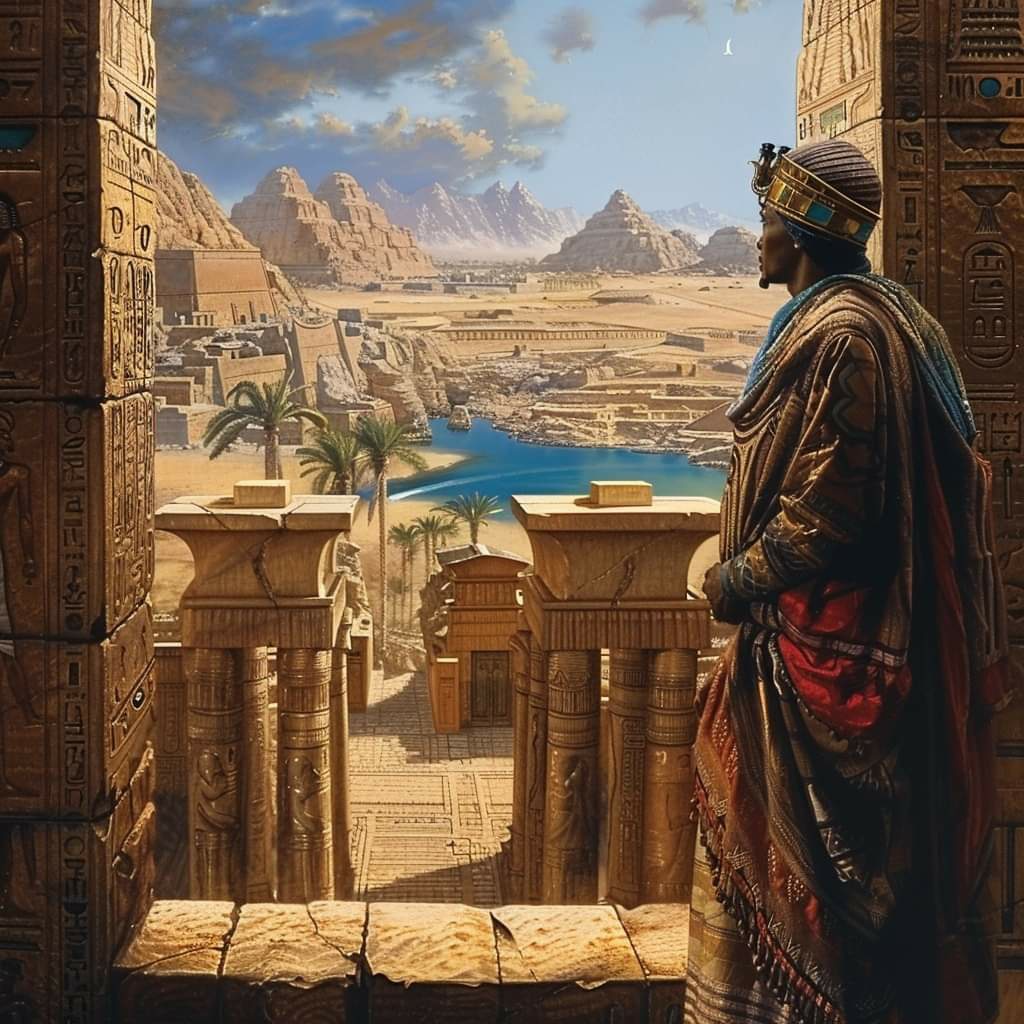
This is the ancient land of Punt, often referred to as ‘God’s Land’ by the Egyptians. Famed for its wealth in gold, incense, and exotic wildlife, Punt was the center of a bustling trade network thousands of years ago.
However, despite its once-celebrated status, it mysteriously vanished from historical records, leaving academics and adventurers seeking to rediscover its lost splendor.
The knowledge of Punt and its history is primarily derived from ancient Egyptian sources, as they were the most prolific record-keepers of their interactions with this mysterious land.
The most vivid and informative of these records are the temple reliefs found in Deir el-Bahri, part of the mortuary temple of Queen Hatshepsut.
These reliefs depict the famous expedition to Punt commissioned by Hatshepsut around 1490 BCE, providing detailed images of the Puntite people, their houses on stilts, and the goods brought back to Egypt, including gold, ebony, myrrh, and living incense trees.
There was once a land so rich and mysterious that it was hailed as a paradise by ancient pharaohs This is the ancient land of Punt, often referred to as ‘God’s Land’ by the Egyptians. Famed for its wealth in gold, incense, and exotic wildlife, Punt was the center of a bustling trade network thousands of years ago.
This shift could have been exacerbated by the rise of other trading powers in the region, which offered similar or more accessible commodities.
The economic decline, as a result of these shifting trade dynamics, could have led to a gradual fading of Punt from the prominent position it once held.
Additionally, there is speculation that internal societal changes within Punt itself, such as political upheaval or social unrest, might have contributed to its decline.
The lack of direct historical records from Punt makes it challenging to ascertain the nature of its political and social structures, but like many civilizations, it is conceivable that internal factors played a role in its eventual disappearance.
Some scholars also consider the possibility that the decline of the Egyptian Empire, which was a major trading partner of Punt, could have had a significant impact.
As Egypt’s power and wealth waned, its ability to undertake expansive trading expeditions like those to Punt would have diminished, thereby reducing one of Punt’s key economic lifelines
 Hi welcome to my website