
By following these steps, you can successfully grow millet in your garden or farm.
- Choose the right variety of millet: There are several different types of millet, including pearl millet, foxtail millet, and proso millet. Choose the variety that is best suited to your climate and growing conditions.
- Prepare the soil: Millet grows best in well-drained soil with a pH of 6.0 to 7.0. Before planting, work the soil to a depth of 6-8 inches and remove any weeds or debris.
- Plant the seeds: Millet seeds should be planted at a depth of 1-2 inches and spaced 6-12 inches apart, depending on the variety. Plant millet in rows or in a broadcast pattern.
- Water regularly: Millet requires regular watering, especially during dry periods. Water the plants deeply once a week, making sure the soil is moist but not waterlogged.
- Fertilize as needed: Millet is a relatively low-maintenance crop, but it may benefit from a light application of fertilizer during the growing season. Use a balanced fertilizer with equal parts nitrogen, phosphorus, and potassium.
- Control weeds: Keep the area around your millet plants free of weeds, as they can compete for nutrients and water. Hand-pull weeds or use a hoe to remove them.
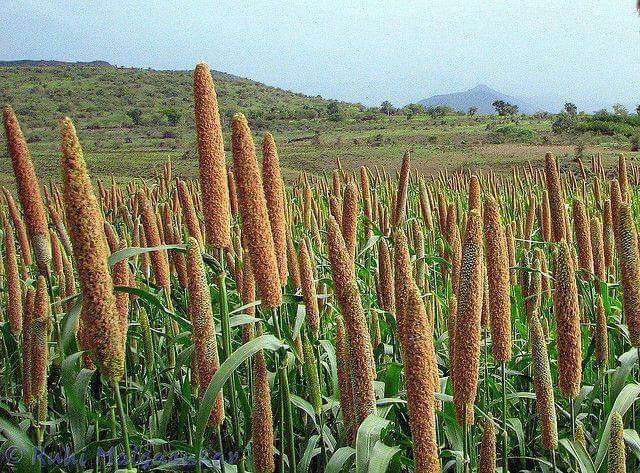
- Harvest: Millet is ready to harvest when the seeds are fully mature and the stalks have turned brown. Cut the stalks at ground level and hang them upside down in a dry, well-ventilated area to dry.
- Store the seeds: Once the seeds are fully dry, thresh them to remove the seeds from the stalks. Store the seeds in a cool, dry place in an airtight container.
By following these steps, you can successfully grow millet in your garden or farm.
 Hi welcome to my website