Ibibio Tribe: Origin and History
Ibibio Tribe: Origin and History
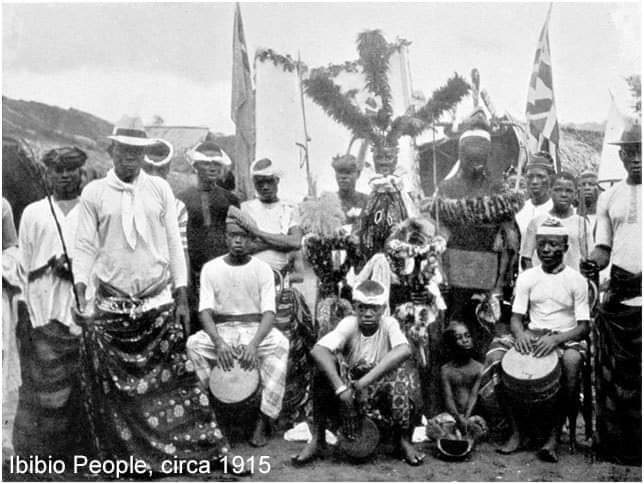
The Ibibio people are a coastal people in southern Nigeria.
They are mostly found in Akwa Ibom, Cross River, and on the Eastern Part of Abia.They are related to the Annang Igbo and Efik peoples.
During the colonial period in Nigeria, the Ibibio Union asked for recognition by the British as a sovereign nation.
The Annang, Efik, Ekid, Oron and Ibeno share personal names, culture, and traditions with the Ibibio, and speak closely related varieties (dialects) of Ibibio which are more or less mutually intelligible. The Ekpo/Ekpe society is a significant part of the Ibibio political system. They use a variety of masks to execute social control. Body art plays a major role in Ibibio art.
Origin
The Ibibio people are reputed to be the earliest inhabitants of the south eastern Nigeria. It is estimated that they arrived at their present home around 7000 B.C. In spite of the historical account, it is not clear when the Ibibio arrived at state. According to some scholars, they might have come from the central Benue valley, particularly, the Jukun influence in the old Calabar at some historical time period. Another pointer is the wide-spread use of the manila, a popular currency used by the Jukuns. Coupled with this is the Jukun southern drive to the coast which appears to have been recently compared with the formation of Akwa Ibom settlements in their present location.
Another version described that the Cameroon will offer a more concise explanation of the Ibibio migration story. This was corroborated by oral testimonies who say that the core Ibibio people were of the Afaha lineage whose original home was Usak Edet in the Cameroon. This was premised on the fact that among the Ibibio people, Usak Edet is popularly known as Edit Afaha (Afaha’s Creek) which reflects the fact that Ibibio people originated from Usak Edet. After the first bulk of the people arrived in what later became Nigeria, they settled first at Ibom then in Arochukwu. The Ibibio must have lived in Ibom for quite some time. As a result of clashes with the Igbo people, culminating in the famous ‘Ibibio War’, which took place about 1300 and 1400 A.D., they left Ibom and moved to the present day Ibibio land.
 Hi welcome to my website