
Uncovering the Hidden Legacy of Louisiana’s African Roots
Uncovering the Hidden Legacy of Louisiana’s African Roots
Enslaved Africans brought more than labor to Louisiana’s plantations; they carried knowledge, culture, and traditions that shaped the colony’s destiny.
Originating from West and Central Africa, specifically Senegambia, these individuals brought expertise in rice cultivation, transforming Louisiana’s economy. Their agricultural skills flourished in the region, establishing the state’s rice and indigo industries.
However, their impact extended far beyond agriculture.
In plantation kitchens and quarters, they preserved their cultural heritage through:
Food: Introducing African dishes and spices.
Traditions: Celebrating ancestral customs
Music: Sharing rhythms and instruments.
Storytelling: Passing down histories and legends.
These creative expressions merged with European and indigenous influences, forging Creole culture.
The Whitney Plantation and Smithsonian African Art Collection honor this legacy.
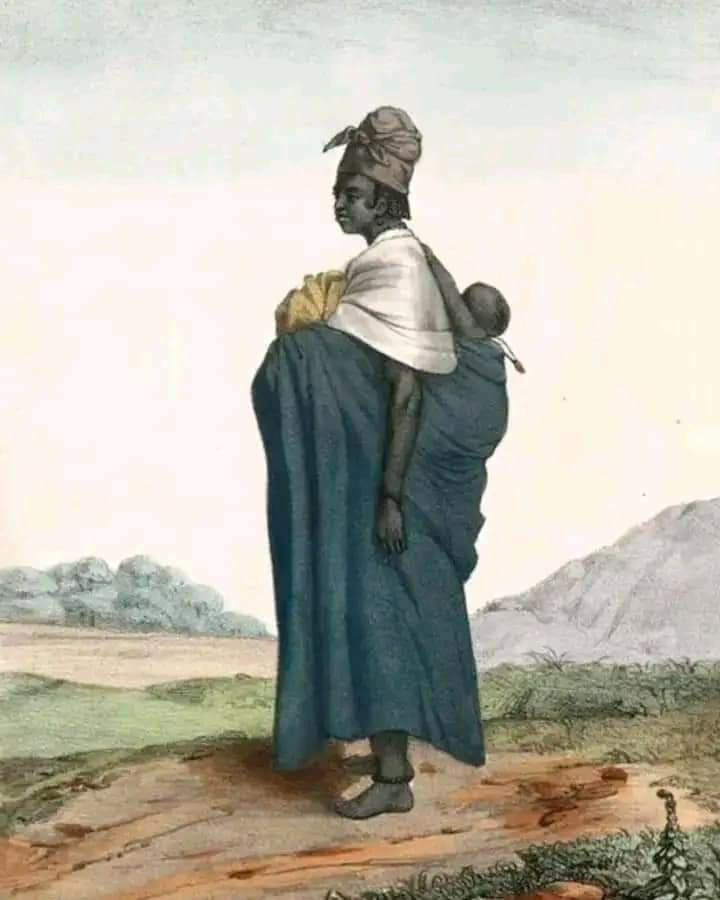
Image: “Esquisses Sénégalaises” by David Boilat (1984), featuring Bambara Woman, Fulbe Man, Mandingo Woman, and Wolof Woman with Child.
 Hi welcome to my website