The Role of Templar Knights in Medieval Cities
The Role of Templar Knights in Medieval Cities
Medieval cities were hubs of economic activity, social diversity, and constant change. In this setting, Templar Knights played a unique and multifaceted role, balancing their military, administrative, and community responsibilities.
Daily Duties
Templar Knights were not solely warriors; they were also peacekeepers and administrators. Their primary tasks included:
Maintaining Order: Patrolling streets to protect citizens and uphold law and order.
Military Training: Preparing for battles or crusades through rigorous physical and combat exercises.
Civic Involvement: Participating in local governance and managing the Order’s vast properties, which often supported the local economy.
These roles made them vital to urban stability and security.
Relationships with Citizens
The Knights’ relationship with townsfolk was dual-edged:
As Protectors: They were respected for ensuring safety and offering aid to the needy.
Sources of Tension: Their wealth and influence sometimes led to conflicts with local merchants or elites, creating friction over resources and power.
Impact on Urban Life
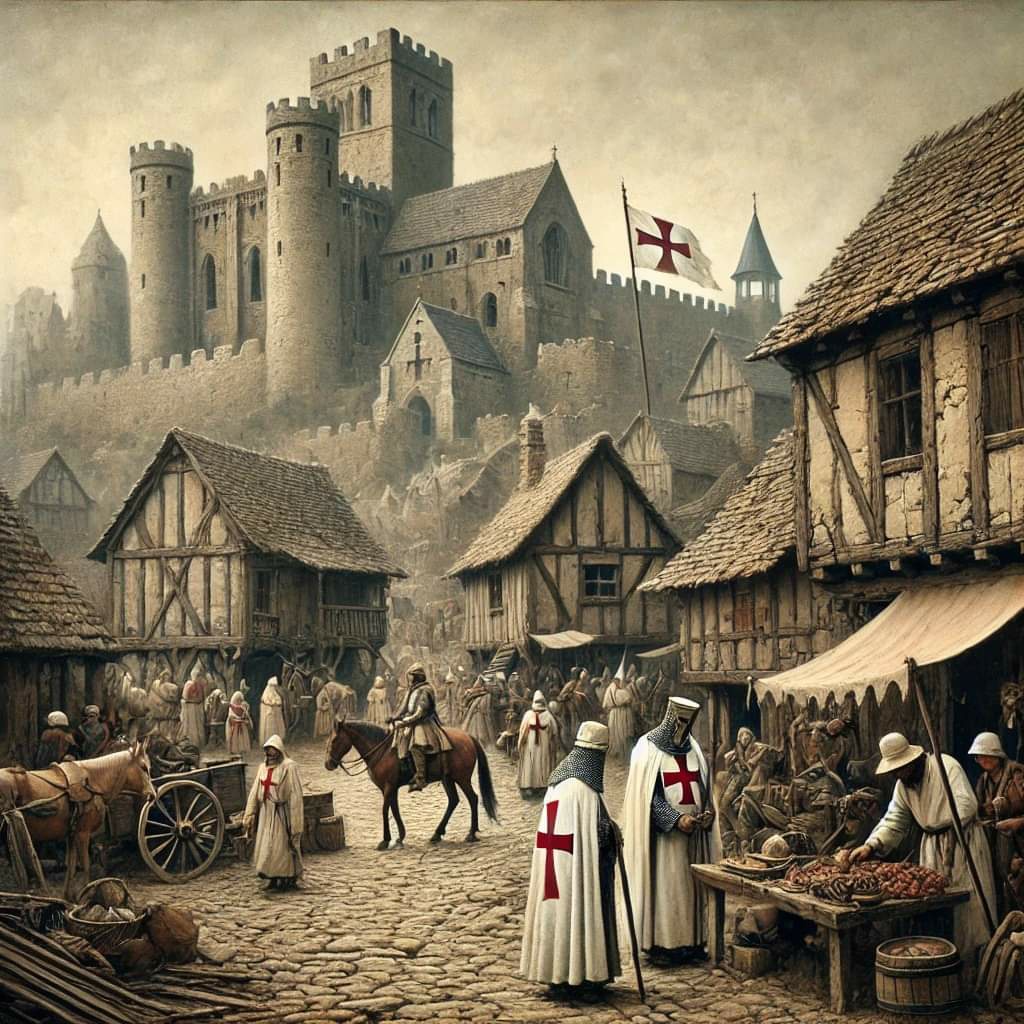
Templar Knights shaped the cities they served by promoting order, offering protection, and influencing governance. Their presence, marked by their iconic white mantles with red crosses, symbolized discipline, faith, and authority in the midst of a dynamic and often chaotic urban environment.
 Hi welcome to my website