
The Ikwerre people of Rivers State, Nigeria, are a fascinating group with deep historical, cultural, and linguistic ties to the Igbo ethnic group.
The Ikwerre people of Rivers State, Nigeria, are a fascinating group with deep historical, cultural, and linguistic ties to the Igbo ethnic group. This relationship has long been a topic of interest and debate, particularly when considering communities like Igrita, a significant town in the Ikwerre region.
Ikwere and Their Igbo Heritage
The Ikwerre people are predominantly located in the Port Harcourt metropolis and its surrounding areas, covering several towns, including Igrita (sometimes written as Igwuruta), Rumuokoro, Rumuomasi, and more. Historically, the Ikwerre are part of the larger Igbo ethnic group, sharing similarities in language, culture, and traditional practices.
The Ikwerre dialect, spoken across their communities, is a variant of the Igbo language. While certain terms and pronunciations have been influenced by neighboring ethnicities and cultural shifts over time, linguistic experts classify Ikwerre as a dialect of the broader Igbo linguistic family. This deep-rooted connection underscores the Ikwerre people’s place in the Igbo cultural landscape.
The Role of Igrita (Igwuruta)
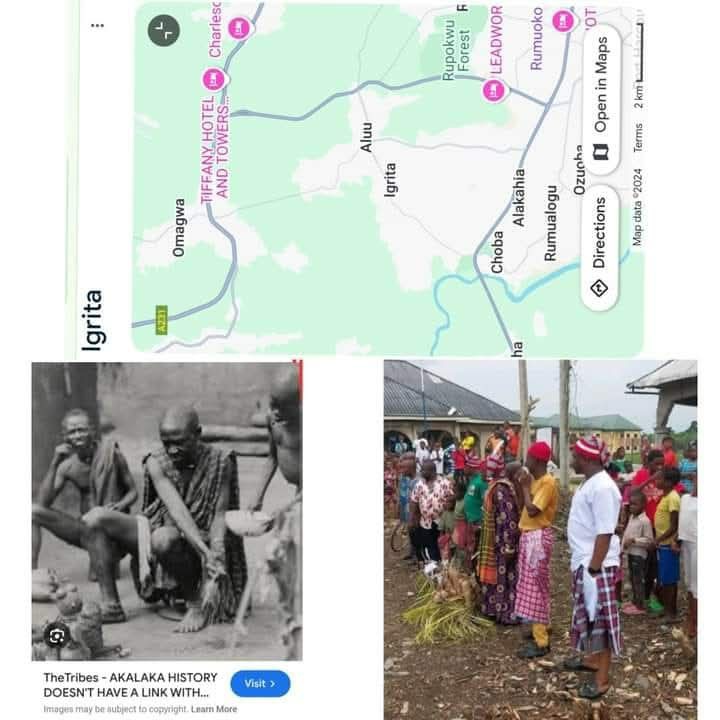
Igrita, also referred to as Igwuruta, is a bustling town in the Ikwerre region of Rivers State. It serves as a cultural and economic hub, connecting Port Harcourt to other key parts of the state. Historically, Igrita was one of the prominent centers for traditional Igbo customs and practices within the Ikwerre area.
The town has seen rapid development over the years, becoming a significant commercial and residential area. Despite modernization, the people of Igrita remain deeply rooted in their traditions, celebrating Igbo festivals such as Iri Ji (New Yam Festival) and preserving aspects of traditional governance.
Colonial and Post-Colonial Influence
The colonial era brought significant changes to the identity of the Ikwerre people. British colonial administrators grouped various ethnic groups together for administrative convenience, creating a divide that led to a redefinition of the Ikwerre identity. The creation of Rivers State in 1967 further separated the Ikwerre from their ancestral Igbo kin, as political and social pressures encouraged a distinct identity.
While some Ikwerre people today identify as separate from the Igbo, historical records and oral traditions continue to affirm their ancestral ties to Nri, the cradle of Igbo civilization. For instance, the narrative of Akalaka, a key historical figure believed to be the progenitor of many Ikwerre clans, traces back to the Igbo heartland.
Challenges and Identity Politics
In modern times, identity politics has often complicated the relationship between the Ikwerre and the broader Igbo ethnic group. Some Ikwerre elites have sought to emphasize their distinctiveness for political and economic advantages. However, many Ikwerre people proudly embrace their Igbo heritage, recognizing their shared ancestry and cultural connections.
The town of Igrita stands as a testament to the enduring ties between the Ikwerre and the Igbo, with its traditions, language, and customs reflecting centuries of shared history.
Cultural Pride and Unity
Despite the challenges of modern identity politics, the Ikwerre people’s connection to the Igbo remains undeniable. Towns like Igrita are vibrant examples of the unity and resilience that define the region’s history. By embracing their Igbo heritage, the Ikwerre continue to celebrate their cultural roots while forging their unique identity in the diverse landscape of Nigeria.
IkwerreIgbo #Igrita #RiversState #IgboHeritage #NigerianHistory
 Hi welcome to my website