
TEACHING MOMENT
TEACHING MOMENT 👇
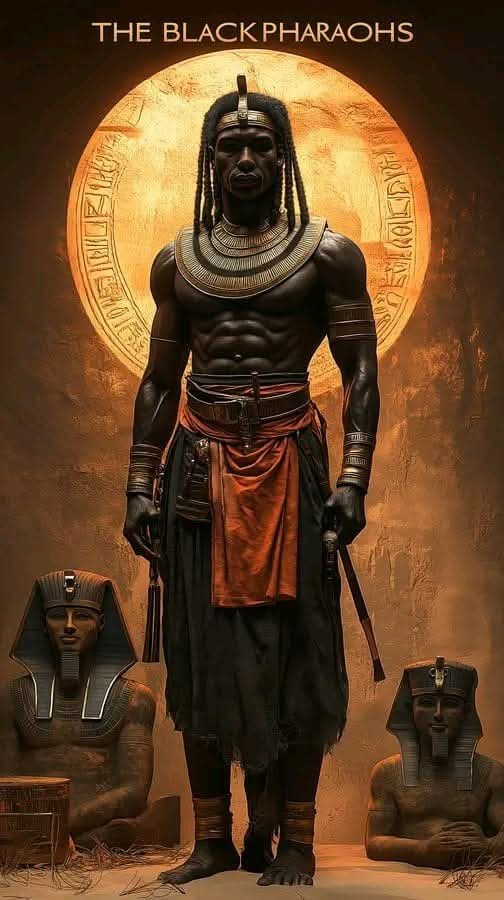
“THE BLACK PHARAOHS”
Did you know that besides the black leaders and Queens of ancient Africa: Egypt, there where men that ruled known as the “The Black Pharaohs”?
Yes.
Here are their Names:
“THE BLACK PHARAOHS”
The Black Pharaohs were rulers of Egypt during the 25th Dynasty (747–656 BCE), a period when the Kingdom of Kush (modern-day Sudan) extended its influence over Egypt. These rulers are often referred to as the Kushite Pharaohs, and their reign marked an era of revitalization and cultural exchange between Egypt and its southern neighbor.
Who Were the Black Pharaohs?
The most prominent Kushite Pharaohs include:
- Piye (Piankhi):
Founder of the 25th Dynasty.
Conquered Egypt and unified it under Kushite rule, starting from Nubia.
Revered for his piety and respect for Egyptian traditions, particularly religious practices.
- Shabaka:
Strengthened the dynasty and revitalized Egyptian infrastructure.
Ordered the preservation of Egyptian religious texts, including the famous Shabaka Stone, which records ancient theology.
- Taharqa:
One of the most famous Black Pharaohs, known for his military campaigns and monumental construction projects.
Played a significant role in defending Egypt against the Assyrians.
- Tanutamani:
The last Pharaoh of the dynasty.
Attempted to restore full Kushite control over Egypt after Assyrian invasions but was eventually pushed back
Their Contributions
The Black Pharaohs contributed significantly to Egypt’s political, cultural, and religious landscape:
- Restoration of Egyptian Traditions:
Reinstated traditional Egyptian religious practices and temple construction.
Maintained strong ties to Amun, the chief deity of both Kush and Egypt.
- Architectural Legacy:
Revitalized and constructed temples and monuments across Egypt and Nubia.
Famous pyramids at El-Kurru and Nuri, smaller and steeper than Egyptian pyramids, reflect Kushite influence.
- Cultural Synthesis:
Integrated Kushite and Egyptian traditions, fostering a unique blend of African cultural elements.
Art and statuary from this period often depict the Pharaohs with Nubian features, including darker skin and tightly curled hair.
Challenges and Conflicts
- Assyrian Invasion:
The 25th Dynasty faced significant external threats, particularly from the Assyrian Empire, which eventually led to the loss of Egyptian territories.
- Internal Struggles:
Managing the vast and diverse territory of Egypt and Kush posed administrative challenges.
Significance
- Historical Perspective:
The Black Pharaohs exemplify the interconnectedness of African civilizations and challenge narratives that downplay the role of African people in ancient history.
- Modern Relevance:
The legacy of the Kushite rulers serves as a source of pride and empowerment, showcasing Africa’s significant contributions to world history.
- Rediscovery:
Much of their history was overlooked in mainstream narratives until archaeologists like George Andrew Reisner began unearthing artifacts in the early 20th century.
Legacy
The Black Pharaohs left a lasting impression through their architectural achievements, cultural integration, and resilience. Their reign reminds us that Ancient Egypt was deeply connected to the African continent, reflecting a rich, diverse history often overshadowed by Eurocentric narratives.
skjthepoet #AfricaWillSurvive #ReclaimYourNarrative #NakedTruth #OnePeopleOneNationOneDestiny #CulturalHeritage
 Hi welcome to my website