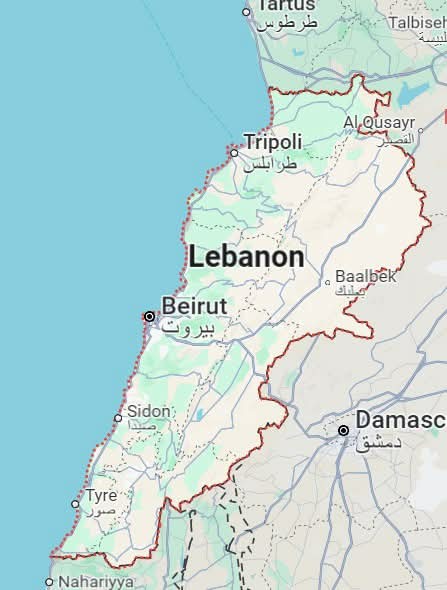
15 Interesting Facts You May Not Know About Lebanon
15 Interesting Facts You May Not Know About Lebanon
- Lebanon is home to the ancient city of Byblos, considered one of the oldest continuously inhabited cities in the world and the birthplace of the modern alphabet.
- The country’s name has remained unchanged for over 4,000 years, making it one of the oldest country names in continuous use.
- The Cedar of Lebanon, a symbol of national pride, has been referenced in historical texts like the Bible and used in ancient shipbuilding by the Phoenicians.
- The Lebanese diaspora is one of the largest in the world, with millions of Lebanese descendants living abroad, often outnumbering the population within the country.
- Lebanon has 18 officially recognized religious sects, making it one of the most religiously diverse countries in the Middle East.
- Beirut, often called the “Paris of the Middle East,” was once a hub for culture, fashion, and intellectualism in the Arab world.
- Lebanon is known for its exquisite cuisine, including dishes like tabbouleh, kibbeh, and manakish, which are celebrated worldwide.
- The country is famous for its wine production, particularly from the Bekaa Valley, an area with a winemaking tradition dating back thousands of years.
- The Jeita Grotto, a system of interconnected limestone caves, is a natural wonder and a finalist for the New Seven Wonders of Nature.
- Lebanon was the only Arab country without a desert, boasting lush mountains, forests, and a Mediterranean coastline instead.
- The Baalbek temple complex, a UNESCO World Heritage Site, contains some of the largest and best-preserved Roman temples ever built.
- The Lebanese flag is the only one in the world featuring a tree (the Cedar of Lebanon) as its central symbol.
- Skiing in Lebanon is a unique experience, with resorts like Faraya Mzaar offering views of the Mediterranean Sea from the slopes.
- Lebanon hosted the first and only Winter Olympic Games delegation from an Arab country in 1948.
- The national dance, dabke, is a traditional folk dance performed at celebrations, symbolizing unity and cultural pride.
 Hi welcome to my website