in the heart of Anambra State, Nigeria, is the ancient town of Igbo-Ukwu. This small village holds a significant historical secret that has shed new light on West Africa’s past.
in the heart of Anambra State, Nigeria, is the ancient town of Igbo-Ukwu. This small village holds a significant historical secret that has shed new light on West Africa’s past.
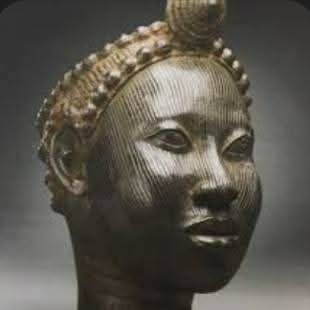
In 1959, archaeologist Thurstan Shaw made a groundbreaking discovery in Igbo-Ukwu – the oldest bronze artifacts in West Africa. As Shaw excavated the site, he found an impressive collection of bronze pieces that showcased the advanced metalworking skills of the ancient Igbo people.
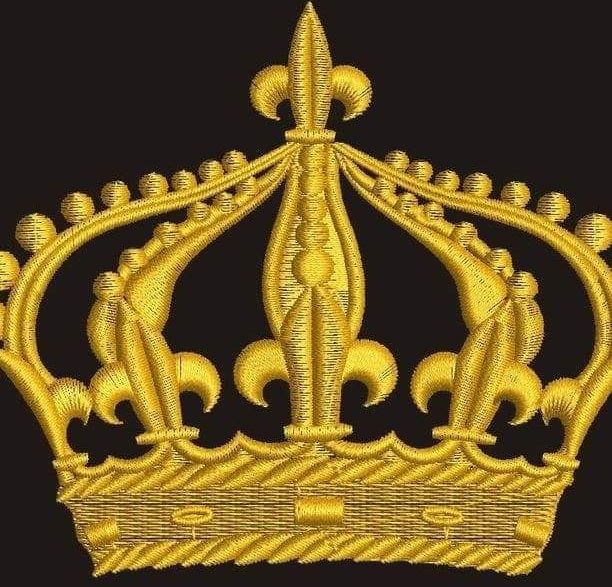
The bronze artifacts, created using the lost-wax casting technique, included ritual vessels, jewelry, crowns, and other decorative items. The discovery of these ancient bronzes was a significant moment in West African history, revealing that they were created centuries before other known bronzes in the region.
The Igbo-Ukwu bronzes demonstrate the advanced metalworking skills and rich cultural heritage of the ancient Igbo people. These artifacts were likely used in rituals and ceremonies, highlighting the importance of spirituality in ancient Igbo society.
Today, the Igbo-Ukwu bronzes are a source of pride for the Igbo people and a significant part of Nigeria’s cultural heritage. They serve as a reminder of the ingenuity, creativity, and rich cultural traditions of the ancient Igbo people.
Igbo history.
 Hi welcome to my website