
When she died in a Florida welfare home in 1960 and was buried in an unmarked grave,
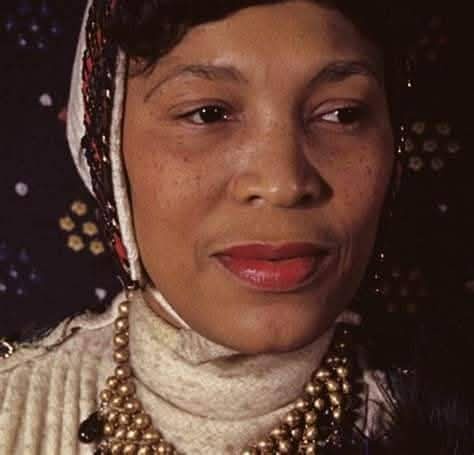
When she died in a Florida welfare home in 1960 and was buried in an unmarked grave, Zora Neale Hurston already had been largely forgotten. Once a leading figure of the literary movement known as the Harlem Renaissance, a friend of such prominent intellectuals as Langston Hughes and W. E. B. DuBois, she had vanished from the spotlight. Her books were out of print, and publishers had rejected her last four manuscripts. Not until the 1970s, when author Alice Walker led a revival of interest in her work, did the public rediscover Hurston. Today, she is widely revered, quoted in presidential speeches, studied at scholarly conferences, and even was featured in a Google Doodle in 2014. Her novels, particularly Their Eyes Were Watching God, originally published in 1937, sell hundreds of thousands of copies every year.
It’s easy to understand her appeal. With her brilliant ear for dialogue—certainly the finest writer of idiomatic American English in the generation after Mark Twain—and her lush and witty prose style, Hurston polished virtually every sentence in her books to a shine that often verges on poetry. But more than this, her work expressed a steadfast individualism that sets it apart from the collectivist—even communist—writings of her Harlem Renaissance colleagues.
 Hi welcome to my website