
Umhlonyane is a revered traditional ceremony practiced in Southern African cultures,
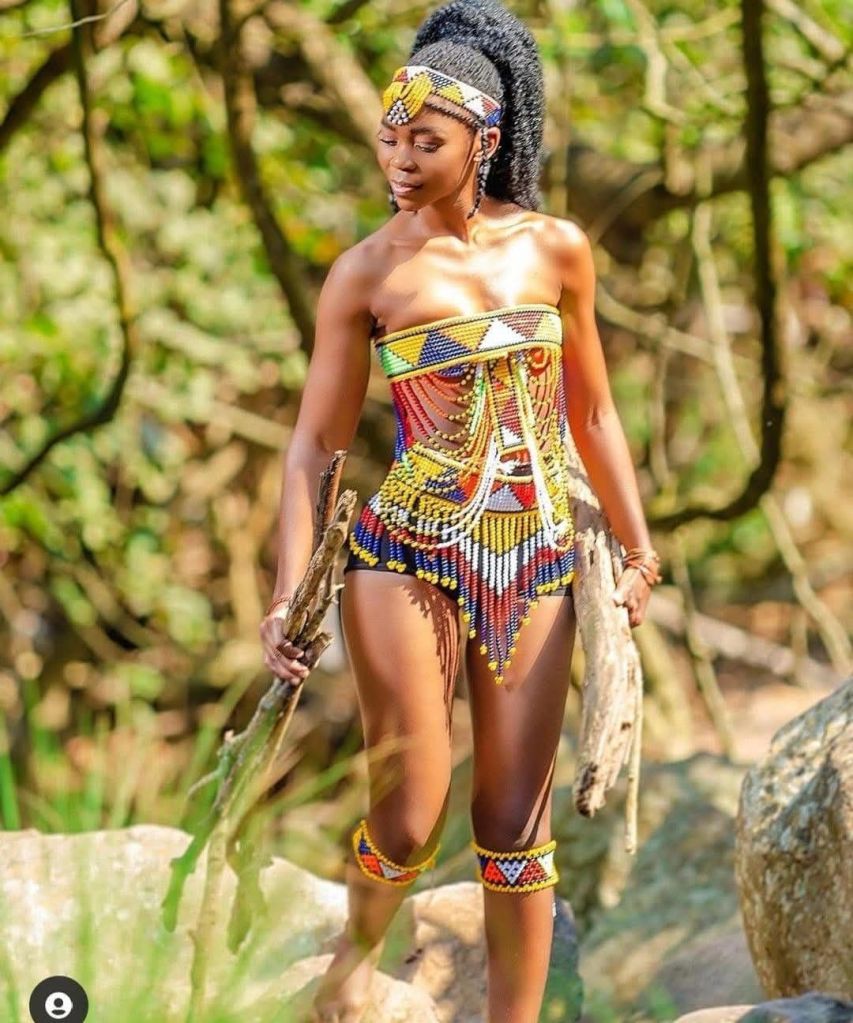
Umhlonyane is a revered traditional ceremony practiced in Southern African cultures, specifically within the Isizulu community, as a pivotal rite of passage for young girls entering womanhood. This significant ritual marks a pivotal transition in their lives and carries deep ancestral and societal meaning. Failure to perform umhlonyane is believed to have profound consequences, as it perpetuates the perception of the individual as a child in the eyes of their ancestors. By undertaking umhlonyane, the young girl asserts her readiness to assume the responsibilities and privileges of adulthood, while also seeking acknowledgment and validation from her ancestral lineage. This traditional ceremony serves as a powerful expression of cultural identity, bridging the past with the present and shaping the future for generations to come.
While the umhlonyane ceremony is primarily associated with the Zulu culture, it is important to note that similar rites of passage exist in various African cultures across the continent. Different ethnic groups may have their own distinct names and variations of this ceremony, but the underlying purpose of celebrating the transition from childhood to adulthood remains consistent. Some of these cultures include:
- Xhosa: In the Xhosa culture of South Africa, a comparable ceremony known as “umgidi” or “amakwenkwe” is performed to mark the coming-of-age of young girls. It involves various rituals, teachings, and festivities.
- Swazi: The Swazi people of Eswatini (formerly Swaziland) have a ceremony called “umhlanga” or “Reed Dance,” which is a significant cultural event celebrating maidenhood and female chastity. It is a colorful and elaborate affair involving dance, music, and the presentation of reeds to the queen mother.
- Ndebele: The Ndebele people of South Africa and Zimbabwe have their own version of the coming-of-age ceremony for girls, known as “umcwasho.” It involves wearing specific attire and ornaments to signify their transition into womanhood.
- Sotho: In the Basotho culture of Lesotho and South Africa, young girls participate in a ceremony called “lebollo la bana” or “ho phala” as a celebration of their initiation into womanhood. The girls are taught important cultural values and responsibilities during this event.
- Tswana: The Tswana people of Botswana and South Africa have a ceremony called “bogwera” for girls, which signifies their passage into adulthood. It involves teachings, rituals, and festivities to mark this significant life transition.
These are just a few examples of African cultures that have their own versions of coming-of-age ceremonies akin to umhlonyane. Each culture brings its unique customs, beliefs, and practices to these celebrations, highlighting the rich diversity of African traditions.
 Hi welcome to my website