
Unveiling the Rich History of Iboland: A Glimpse into the Past
Unveiling the Rich History of Iboland: A Glimpse into the Past
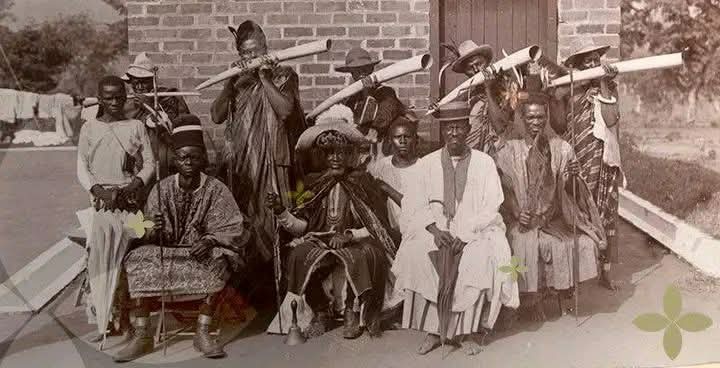
The photograph of Onitsha Chiefs circa 1920 is a poignant reminder of the rich cultural heritage of Iboland, a region in Southern Nigeria. To delve deeper into the history of this fascinating land, we turn to excerpts from the book “Iboland, Southern Nigeria” by Frances M. Dennis, published in 1874.
The Niger and Cross Rivers: Lifeblood of Iboland
The two mighty rivers, the Niger and the Cross River, have played a pivotal role in shaping the history and economy of Iboland. For centuries, steamers have navigated these rivers, bringing goods such as gin and colorful cloth, while exporting the region’s valuable produce, including palm oil, palm kernels, and other commodities.
The Paradox of Plenty and Poverty
Despite the region’s immense wealth, the Ibos (also referred to as Igbo) were often unaware of the true value of their resources. This lack of awareness led to a situation where they would receive only a fraction of the value of their palm oil and kernels, while demanding more than their value for smaller items like fowls.
The Dark Legacy of Slavery
The history of Iboland is also marred by the scourge of slavery. The majority of slaves shipped from the West Coast were Igbo, with Bonny and the Cross River serving as major exit points. Shockingly, the greatest slave-traders were not foreign enemies, but rather Igbo themselves, who exploited their own people’s superstition and posed as medicine-men and messengers of God.
A Sobering Reflection
As we reflect on this complex and often painful history, we are reminded of the words of Frances M. Dennis: “The great enemy of the Ibo has been the Ibo.” This poignant statement serves as a powerful reminder of the importance of self-awareness, unity, and collective progress.
In conclusion, the history of Iboland is a rich tapestry of cultural heritage, economic prosperity, and painful struggles. As we continue to learn from the past, we must also acknowledge the complexities and challenges that have shaped the Igbo people’s journey.
 Hi welcome to my website