
The first governor of Lagos state
The first governor of Lagos state
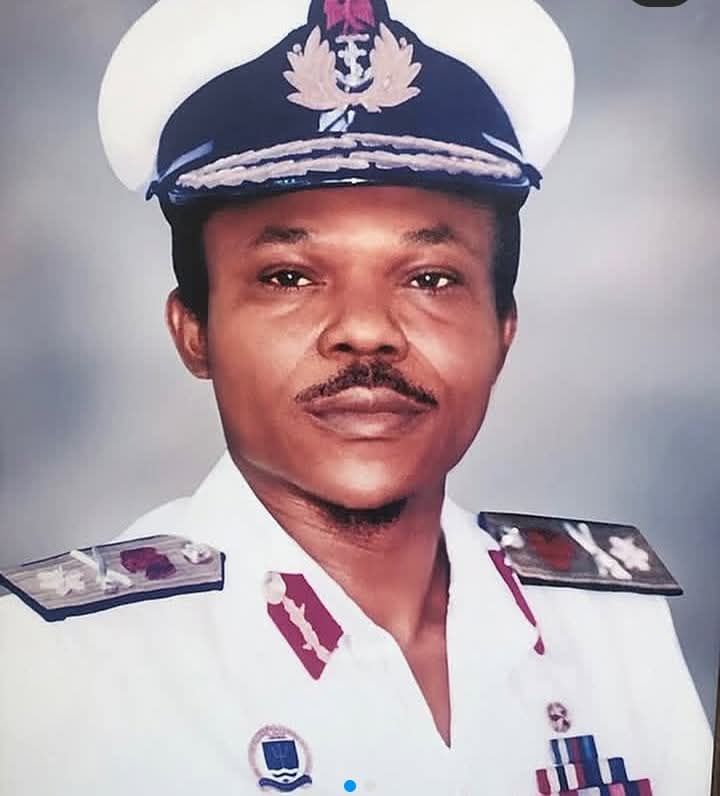
from Igbo tribe Ndubuisi Godwin Kanu (3 November 1943-13 January 2021) was a Nigerian military officer and state governor. Early in his career, he fought for the Biafran side in the Nigerian Civil War and in July 1975 he was appointed to Murtala Muhammed’s Supreme Military Council. After military president Olusegun Obasanjo came to power Kanu was appointed military governor of Imo State and then Lagos State. Returning to the military, he served with the United Nations Interim Force in Lebanon. In retirement, he was a pro-democracy campaigner and called for decentralisation of power and increased federalism..
The popular park in Ikeja was named after Kanu Ndubuisi.
Ndubuisi Kanu was born in Ovim village in Isuikwuato, Abia State on 3 November 1943. He was of Igbo origin and attended the Methodist Primary School in Enugu. Joining the navy in 1962, he went to India for cadet training. His naval career included positions in Personnel, Logistics and Training. Kanu fought in the Nigerian Civil War for the Biafran forces.
In July 1975, as a lieutenant commander, he was appointed a member of Murtala Muhammed’s ruling Cabinet, the Supreme Military Council. Under military president Olusegun Obasanjo (who came into office in February 1976) Kanu was appointed military governor of Imo State in March 1976. He brought in town planners to prepare a plan for the development of the state capital, Owerri, and constructed new roads in the state. Kanu increased the number of local government areas in the state to 21 and also established the Imo Broadcasting Service (which is now the Imo Broadcasting Corporation).
Kanu transferred to Lagos State as military governor in 1977, holding that position until July 1978. He later became Rear Admiral and served with the United Nations Interim Force in Lebanon..
Kanu was married three times and had ten children.
He was married to Chief Mrs. Gladys Kanu (née Uzodike) from 1993 until his death. Kanu died on 13 January 2021 of complications from the COVID-19 virus according to history
Source: Historylovers
 Hi welcome to my website