In 1938, in a quiet village in southeastern Nigeria, a local man digging a well made an accidental discovery that would shake the foundations of African archaeology.
Must read story ❤️
In 1938, in a quiet village in southeastern Nigeria, a local man digging a well made an accidental discovery that would shake the foundations of African archaeology.
What he unearthed was no ordinary dirt-covered junk.
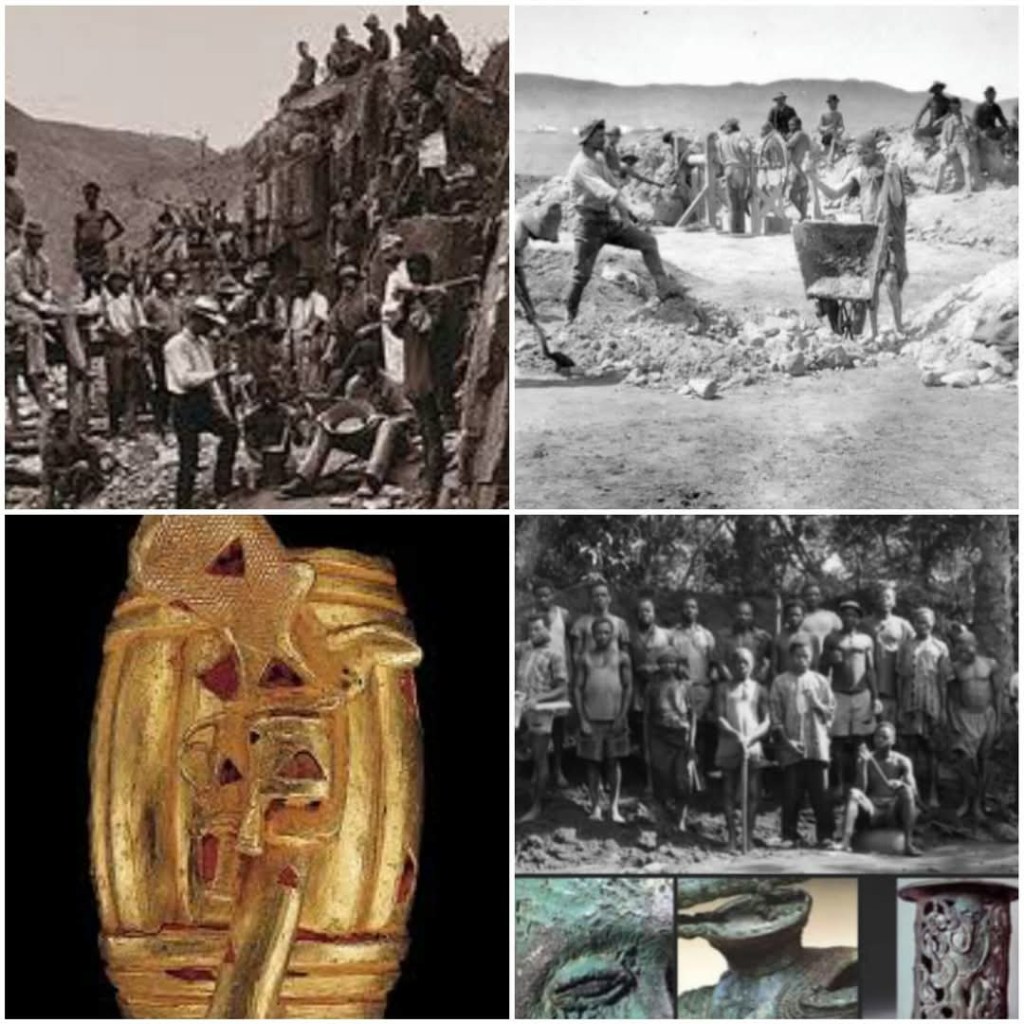
Hidden beneath the soil were elaborately crafted bronze objects, unlike anything seen in West Africa at the time.
Fast forward to the 1950s and 1960s, British archaeologist Thurstan Shaw led formal excavations at the site, known as Igbo-Ukwu.
What he found was nothing short of extraordinary:
Intricately designed bronze vessels, regalia, tools, and ornaments so advanced in their casting and craftsmanship that they rivaled, and in some cases predated, similar artifacts from ancient Europe and Asia.
These objects were dated back to the 9th century AD.
The Igbo people had developed sophisticated bronze-working technology over 1,100 years ago, long before colonial contact and without influence from external civilizations.
This makes Igbo-Ukwu one of the oldest and
most technologically advanced bronze-casting cultures in sub-Saharan Africa and even older than the famous Benin Bronzes. (You can research for verification)
So the next time someone says “Africa had no history before colonization”, point them to Igbo-Ukwu, a quiet reminder buried in the soil that African civilizations were never silent. They were simply ignored.
 Hi welcome to my website