
The Tutsi Tribe of Rwanda and Burundi
The Tutsi Tribe of Rwanda and Burundi
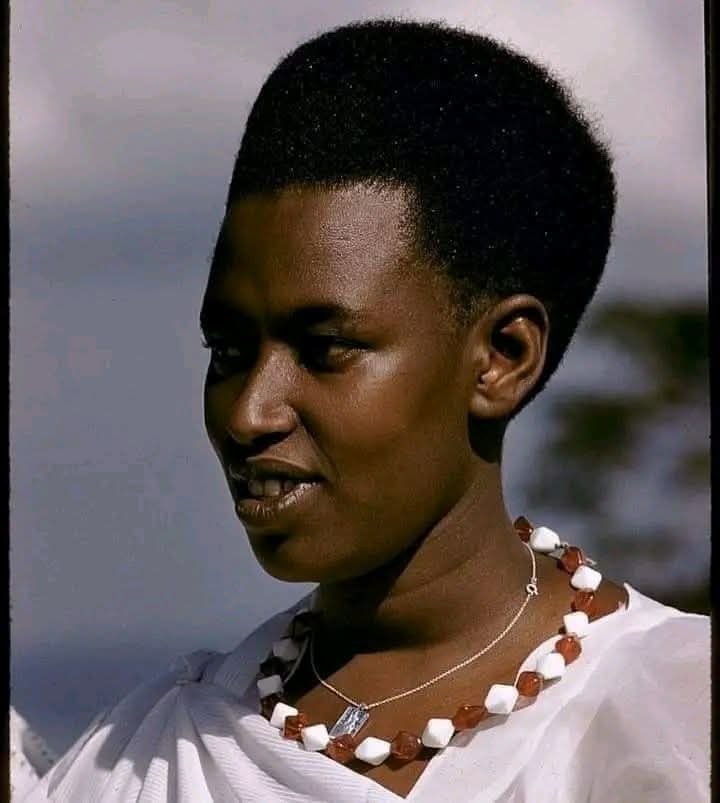
The Tutsi, also known as Abatutsi, are a Bantu-speaking ethnic group residing in the African Great Lakes region, primarily in Rwanda and Burundi. They are the second-largest ethnic group in both countries, with a distinct cultural identity shaped by their history, language, and traditions.
Key Characteristics
The Tutsi people speak Kinyarwanda, Kirundi, and Swahili languages.
The Tutsi are described as having physical features such as a longer, thin nose, high cheekbones, and tall stature, often above six feet.
Historically, the term “Tutsi” referred to individuals owning more than ten cows, which was a sign of wealth in their society.
Cultural Significance
The Tutsi people have a rich cultural heritage, with a strong emphasis on cattle herding and pastoralism. Their cultural practices and traditions are closely tied to their history and identity.
Geographic Location
The Tutsi people reside primarily in Rwanda, known as the “Land of a Thousand Hills,” and Burundi, both located in the eastern part of Africa. These countries are characterized by their stunning landscapes and diverse ecosystems.
The Tutsi tribe is an integral part of the cultural mosaic of Rwanda and Burundi, contributing to the rich heritage and diversity of the region.
 Hi welcome to my website