King Tutankhamun, often simply called “King Tut,”
King Tutankhamun, often simply called “King Tut,” is one of ancient Egypt’s most famous pharaohs, despite his relatively short reign. Born around 1341 BCE, Tut ascended to the throne at a young age, around 9 or 10, following the mysterious death of his father, Akhenaten. His reign, which lasted from 1332–1323 BCE, was brief, ending when he died at about 18 or 19 years old. The cause of his death remains a topic of debate, with theories ranging from illness, a chariot accident, to a possible murder.
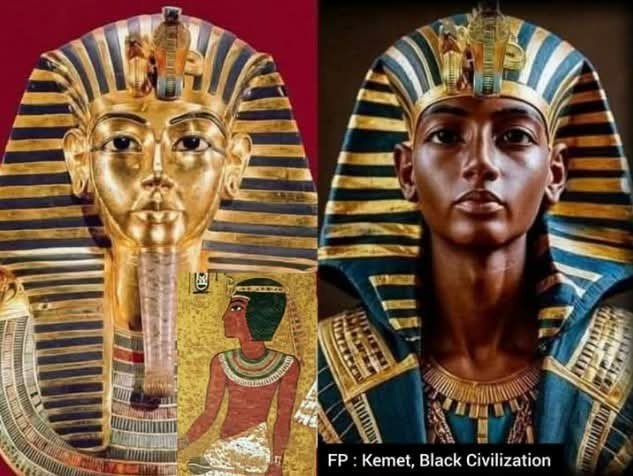
King Tut is primarily famous not for his accomplishments during his lifetime (which were relatively uneventful) but for his tomb, which was discovered by British archaeologist Howard Carter in 1922. The tomb, located in the Valley of the Kings, was almost intact and filled with an astounding wealth of treasures, including his iconic golden burial mask, which has become one of the most recognizable symbols of ancient Egypt. This discovery gave scholars an unprecedented look into the material culture and burial practices of the time, providing valuable insights into the opulence and religious beliefs of ancient Egypt.
Despite his young age and the lack of grand accomplishments, King Tut’s tomb has ensured that his name remains etched in history, offering a fascinating glimpse into the world of Egypt’s New Kingdom period.
 Hi welcome to my website