Frederick William Koko Mingi VIII: The Amanyanabo Who Resisted British Domination
Frederick William Koko Mingi VIII: The Amanyanabo Who Resisted British Domination
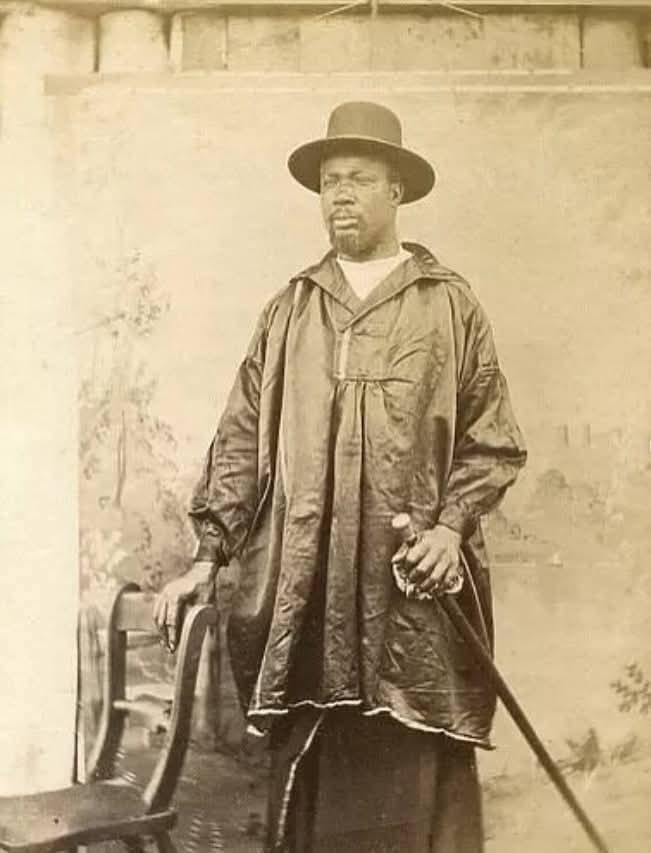
Frederick William Koko Mingi VIII, the Amanyanabo (King) of Brass from 1889 to 1896, remains a towering historical figure in Nigeria’s Niger Delta region. Revered as both a traditional ruler and a resistance leader, King Koko’s legacy is forever tied to the Akassa Raid of 1895, a bold confrontation against British imperialism and economic exploitation.
A Reign Marked by Resistance
Ascending the throne during a turbulent era of expanding British colonial control, Koko found himself at the crossroads of commerce, culture, and colonialism. The Brass people, predominantly Ijaw, had long relied on trade with the hinterland communities and European merchants. However, the rise of British chartered companies like the Royal Niger Company disrupted this trade, imposed monopolies, and marginalized local authority.
Koko, who was educated in missionary schools and once served as a Christian schoolteacher, saw firsthand how the colonial presence not only threatened his people’s economic survival but also undermined their sovereignty. When peaceful negotiations failed to yield results, he chose resistance.
The Akassa Raid of 1895
In a daring move, King Koko led an armed assault on the Royal Niger Company’s headquarters in Akassa, located at the mouth of the Nun River. The raid was meticulously planned and executed in January 1895. His forces captured British merchants and staff, disrupted operations, and made a bold statement: the Ijaw people would not accept subjugation.
Though the raid brought temporary disruption to British trade, it triggered a fierce colonial backlash. British warships bombarded Nembe (the kingdom’s capital), destroyed homes, and forced Koko into exile. Despite the devastation, the Akassa Raid remains a significant moment of anti-colonial resistance in Nigerian history.
Legacy and Death
After years of displacement and political isolation, Frederick William Koko Mingi VIII died in 1898. Some accounts suggest he may have committed suicide due to the overwhelming pressure and disillusionment after exile. Regardless of the circumstances, his legacy endures as a symbol of courage, leadership, and the struggle for indigenous autonomy in the face of colonial domination.
Today, Koko is remembered not just as a king, but as a national figure who stood up against imperial forces during one of the most challenging periods in Nigerian history. The Akassa Raid, though often overlooked in mainstream narratives, remains a defining moment in the story of Nigeria’s resistance to colonization.
 Hi welcome to my website
Ah the road less travelled. OK I’d like to fly high as a hawk wings spread to the air land without fear of being afraid – haha I can always dream or work towards the dream. What do you think?
LikeLiked by 2 people
Wow great
LikeLike