
Jollof Wars: The Pot, the Pride, and the Never-Ending Debate
Jollof Wars: The Pot, the Pride, and the Never-Ending Debate 🇬🇲 🇸🇳 🇬🇭 🇳🇬.
Gather round the pot, friends, because today we solve a mystery hotter than a sunburn in Lagos.
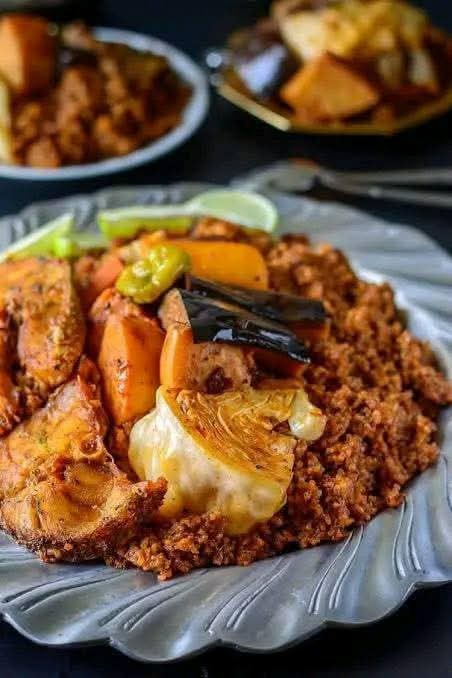
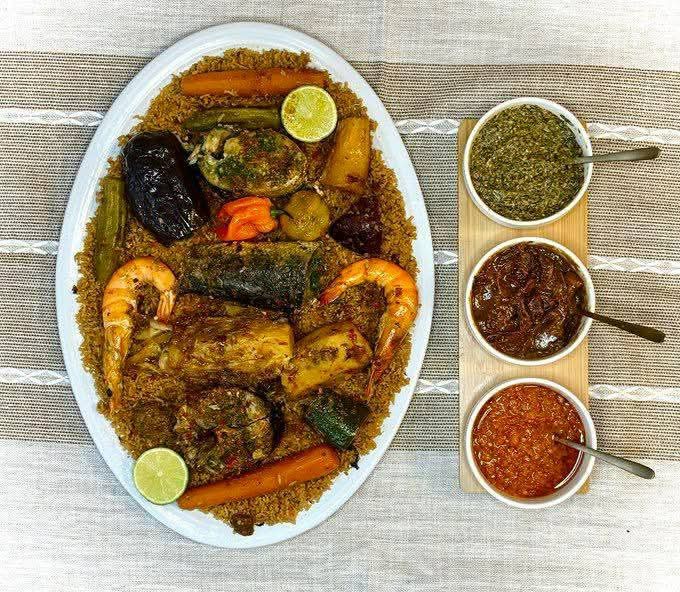
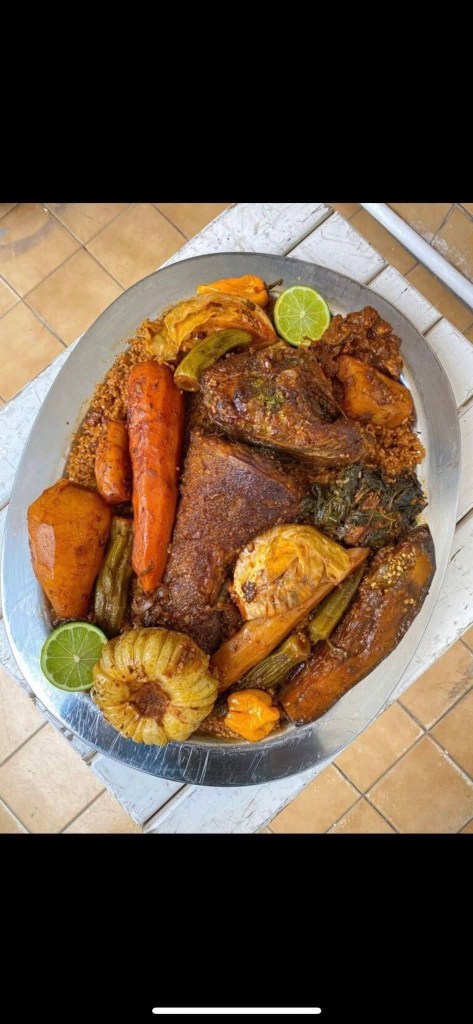
where did Jollof Rice actually come from? The playful consensus among food historians in The Gambia and Senegal is clear, it began with the Wolof, in the fictional but beloved Jollof Kingdom, where rice and tomatoes first learned to tango in a single, glorious pot. The Gambian aunties say: ‘We seasoned it with extra patience and jokes,’ while Senegalese uncles insist: ‘Our saffron is telepathic; it tells the rice exactly how to behave.’ Then enter the rest of Africa, especially Nigeria and Ghana, waving wooden spoons like price flags, insisting: ‘Jollof is ours!’ And the pot just keeps simmering, a delicious diplomatic crisis.
Why do Nigeria and Ghana fight? Because every nation has a pride button, and Jollof is basically national pride turned edible. It’s a dish that wears its history on its steam. It invites debate the way a family reunion invites gossip: gently, then with a loud chorus of ‘Mine is better’ in three languages. Ghana might claim extra palm oil, Nigeria swears by its smoked-tok pace, Senegal says the rice should be ‘al dente with a philosopher’s sigh.’ In The Gambia, they stock the shelves with jokes and a teaspoon of heat; in Senegal, a splash of baobab for balance. All are right, and all are delicious, which is precisely why the world keeps tasting.
So let’s settle this with a friendly competition: Jollof Olympics, where teams argue with flavor, not feud with venom. Judges: tomatoes, onions, and an audience of hungry neighbors. The truth? The roots stretch through the Wolof heart into every simmering pot across West Africa—and that shared aroma is plenty enough to unite the debate, one spoonful at a time. So grab a bowl, start laughing.


 Hi welcome to my website