
Regional Governance: A Possible Pathway for Nigeria’s Renewa
Regional Governance: A Possible Pathway for Nigeria’s Renewal
Nigeria’s journey since independence in 1960 has been marked by cycles of promise and disappointment, often rooted in the challenges of centralized governance.
Historically, the First Republic (1960 – 1966) practiced a form of regional government, where the Northern, Western, and Eastern Regions enjoyed significant autonomy.
This era saw each region developing according to its strengths, the West under Obafemi Awolowo pioneered free education and industrial growth, the East under Nnamdi Azikiwe championed entrepreneurial expansion, and the North under Ahmadu Bello invested in agriculture and cultural preservation.
Though not without flaws, this model fostered healthy competition and localized development.
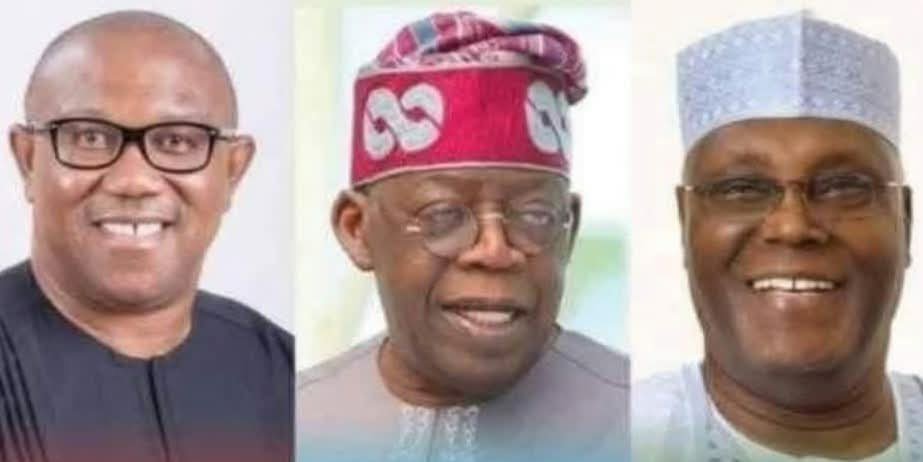
Some Nigerians now suggest a return to a modified version of regionalism, imagining figures like Peter Obi, Bola Tinubu, and Atiku Abubakar each leading an independent region for eight years.
Such a scenario, they argue, would allow the nation to objectively compare leadership styles, governance efficiency, and economic outcomes without the distortions of overcentralized control.
Peter Obi’s track record in Anambra State reflects fiscal prudence, infrastructure upgrades, and education reform.
Bola Tinubu’s tenure in Lagos showcased aggressive revenue generation and urban renewal, albeit with debates over political influence.
Atiku Abubakar, as Vice President and private investor, has emphasized economic liberalization and entrepreneurship.
If each were tasked with managing a region, Obi in the East, Tinubu in the West, and Atiku in the North, it would create a living laboratory for governance, where policies are tested in real time and results measured against clear benchmarks.
Critics warn, however, that such a system could deepen ethnic divisions or resource inequality if not anchored in a robust constitutional framework ensuring fair revenue sharing and mutual accountability.
Still, proponents argue that regional autonomy would restore the principle of subsidiarity, letting decisions be made at the most local competent level, and reignite the competitive spirit that once drove Nigeria’s early post-independence growth.
In a nation weary of promises but hungry for results, this thought experiment challenges both leaders and citizens: can we decentralize power enough to unleash Nigeria’s full potential, or will we cling to a central system that has too often concentrated failure?
Nigeria #RegionalGovernment #PeterObi #BolaTinubu #AtikuAbubakar #GoodGovernance #NigeriaHistory #TrueFederalism #Leadership #Decentralization #EconomicGrowth #NationBuilding #PoliticalReform #NigeriaPolitics #AccountableLeadership
 Hi welcome to my website