
The University of Cambridge’s Fitzwilliam Museum indeed acknowledges that ancient Egypt was a Black African civilization. Here’s what we know:
The University of Cambridge’s Fitzwilliam Museum indeed acknowledges that ancient Egypt was a Black African civilization. Here’s what we know:
- Africa-Centered Approach: The Fitzwilliam Museum adopted an Africa-centered approach to ancient Egypt, recognizing the civilization’s African roots and cultural connections.
- Kemet: The Black Land: The museum’s “Virtual Kemet” gallery highlights ancient Egypt’s African heritage, referencing the original name “Kemet,” meaning “the black land.”
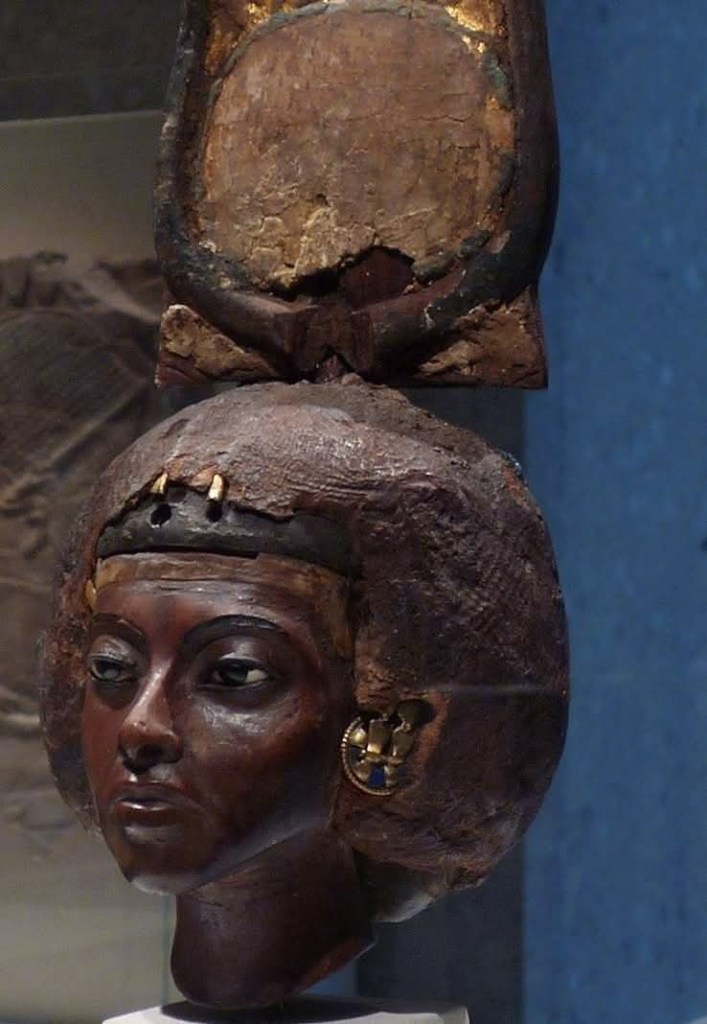
- Artistic Representations: Ancient Egyptian art depicts Egyptians with black skin and tightly curled hair, supporting the idea that they were an African culture.
- Facial Features: Egyptian statues show broad faces, high cheekbones, strong jaws, broad noses, and full lips, characteristic of African facial features.
Some researchers and scholars also argue that:
- Ancient Egyptian Language: Egyptian language is closely related to Black African languages, with similarities in vocabulary and grammar.
- Cultural Links: Ancient Egyptian culture shares links with modern African cultures, such as headrests and hairstyles.
- Historical Records: Ancient Egyptian records show interactions and exchange with other African civilizations, like Nubia.
While there’s ongoing debate about ancient Egypt’s racial identity, many scholars and researchers agree that ancient Egypt was indeed an African civilization with strong Black African roots.
 Hi welcome to my website