
To the Igbo, yam is not just food, it is the essence of life, a symbol of continuity, and the heartbeat of tradition.
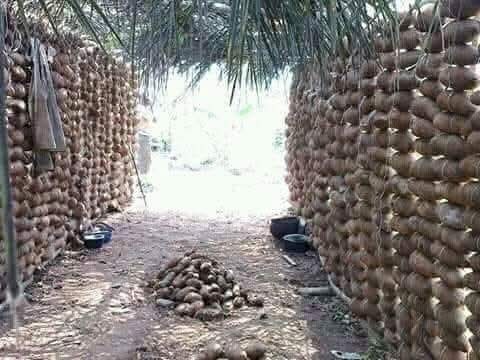
In Igbo culture, yam (Jị) is far more than just a crop, it is the very symbol of wealth, identity, and manhood. To the Igbo, yam is the “king of crops,” and a man’s success was traditionally measured by the size of his yam barn (ọbà jị). A barn filled with yams was not only proof of his hard work but also a public display of prosperity, respect, and influence within the community.
Yam cultivation shaped the Igbo family and social life. Since yam farming demanded strength and labor, men often married more than one wife so they could expand their household workforce, ensuring enough hands to till the land and tend to the crop. A man’s ability to provide yam for his family and guests was seen as a mark of responsibility and prestige.
Beyond being a staple food, yam holds deep cultural and religious value. It is central to rituals, festivals, and communal feasts. The New Yam Festival (Ịwa Jị or Ụfọ̀ Jị), still celebrated across Igboland, marks the beginning of the harvest season. During this festival, the first yam is offered to the gods and ancestors in thanksgiving before the people taste it, reinforcing the spiritual bond between the community, the land, and the divine.
Yam also connects to Igbo traditional titles and honors. Men who distinguished themselves as great yam farmers could earn titles such as “Ogbuji” (yam-slayer), celebrating their strength, productivity, and contribution to society. In this way, yam became a pathway not just to physical sustenance, but also to social mobility, spiritual recognition, and cultural pride.
To the Igbo, yam is not just food, it is the essence of life, a symbol of continuity, and the heartbeat of tradition.
 Hi welcome to my website