Kemet: The Black and African Egypt that History Tried to Erase
Kemet: The Black and African Egypt that History Tried to Erase
Long before modern nations existed, the land we now call Egypt was known to its people as Kemet, meaning “the Black Land”—a reference to the rich dark soil left by the Nile River’s floods. This civilization rose in Northeast Africa more than 5,000 years ago and became one of the most influential cultures in human history.
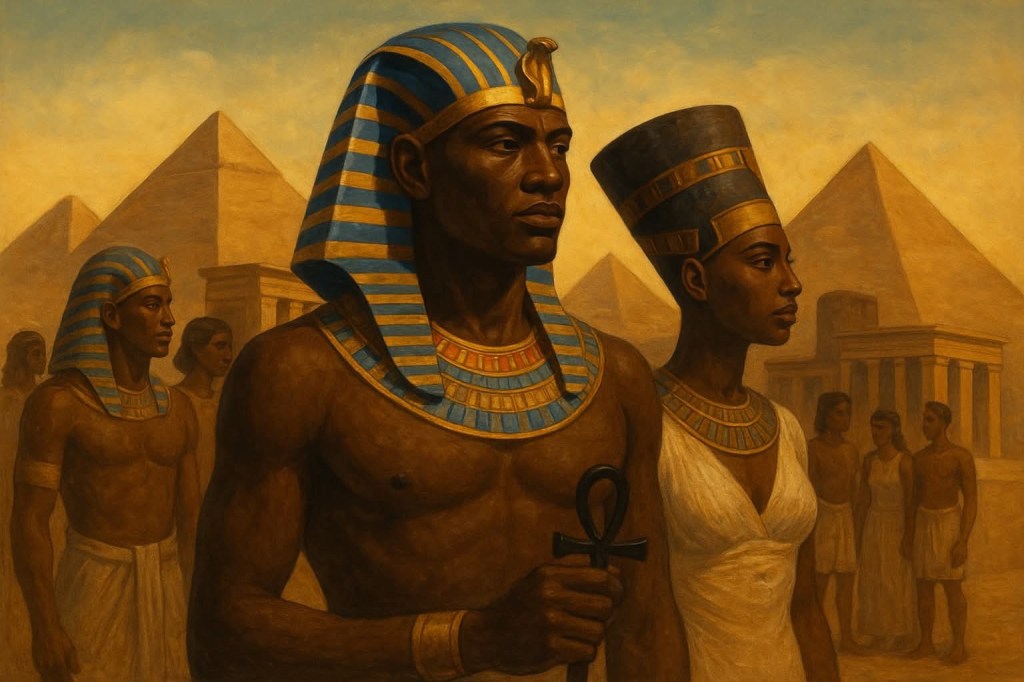
Kemet was an African civilization, deeply connected to the continent’s people, traditions, and environment. Its art, language, religion, and social systems carried African cultural roots. The pharaohs, often portrayed as divine rulers, led vast kingdoms that built cities, temples, and the iconic pyramids that still stand today.
Over centuries, outside powers—from the Persians to the Greeks and later the Romans—conquered Egypt. With each conquest, pieces of Kemet’s African identity were altered or reinterpreted. Later historians, especially in Europe, often downplayed or ignored its African heritage, creating a distorted view of Egypt as separate from the rest of Africa.
But the truth remains: Kemet was born in Africa, created by African people, and connected to other great African civilizations such as Nubia and Kush. Today, scholars and archaeologists continue working to restore Egypt’s rightful place in African history, ensuring that future generations understand its roots.
By remembering Kemet as an African civilization, we celebrate not just its pyramids and monuments, but also its contributions to mathematics, medicine, philosophy, and governance—knowledge that shaped the world.
AfricanHistory #Kemet #AncientEgypt #HiddenHistory #BlackCivilizations
 Hi welcome to my website