
The disadvantages of Nigeria’s 1914 amalgamation
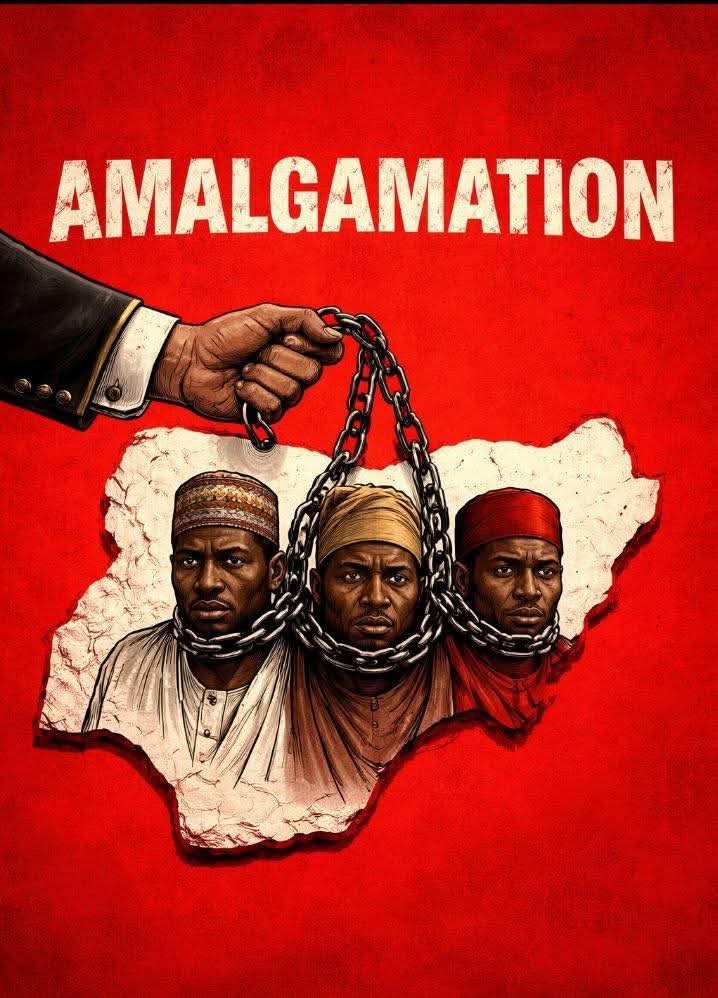
The disadvantages of Nigeria’s 1914 amalgamation stem from its colonial origins, forcibly merging diverse groups for British administrative ease, leading to deep-seated ethnic tensions, political instability, corruption, unequal resource distribution (like the Niger Delta issues), and ongoing challenges with national cohesion and governance, fueling conflicts and resentment that persist today.
Ethnic & Religious Divisions:
It ignored significant cultural, religious, and political differences, creating a “powder keg” of mistrust and fueling tribalism, where loyalty often lies with ethnic groups rather than the nation.
Political Instability:
The imposed unity fostered resentment and competition, leading to post-colonial conflicts like the Biafran Civil War, insurgencies (e.g., Boko Haram), and separatist movements.
Economic Imbalance & Corruption:
Designed for British economic benefit, the system led to resource exploitation (especially in the South), centralization of power, and corruption, undermining fair resource distribution and sustainable development.
Governance Failures:
The colonial structure created dysfunctional foundations, with politics often driven by personal gain and ethnic affiliation rather than shared values, leading to alienation and a lack of national cohesion.
Unequal Development:
The focus on administrative convenience rather than genuine unity meant unequal development, with some regions feeling exploited and marginalized, fueling ongoing resource control disputes.
Threats to Unity:
Instead of fostering a shared national identity, the amalgamation created a fragile union, with ongoing challenges in managing diverse aspirations, as highlighted by historical figures expressing reluctance about the union.
 Hi welcome to my website
This is a very clear and insightful analysis of Nigeria’s 1914 amalgamation. You’ve done an excellent job highlighting the long-lasting consequences of a colonial policy that prioritized administrative convenience over social cohesion. The way you’ve broken down the disadvantages into ethnic and religious divisions, political instability, economic imbalance, governance failures, unequal development, and threats to unity makes the argument both comprehensive and easy to follow.
LikeLike