
They Tried to Break His Body — But His Mind Was Already Free
They Tried to Break His Body — But His Mind Was Already Free
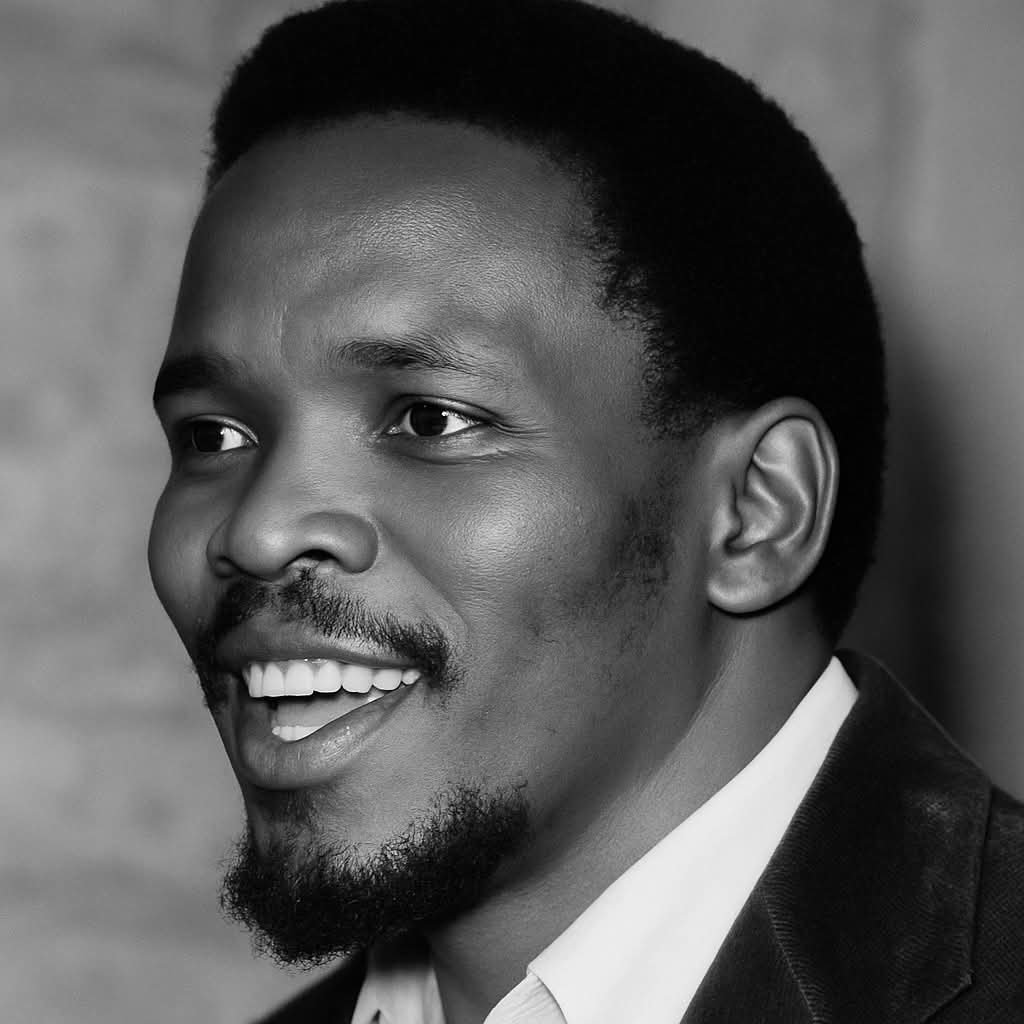
Steve Biko was only 31 years old when the apartheid state decided he was too dangerous to live.
Not because he carried weapons.
Not because he led an army.
But because he taught Black people something the system feared more than violence:
Self-worth.
In apartheid South Africa, racism wasn’t just enforced with laws — it was enforced in the mind. Steve Biko understood this deeply. That is why he founded the Black Peoples Convention and became the voice of the Black Consciousness Movement. His message was radical in its simplicity:
Black people did not need white approval to be whole.
He preached Black pride in a country designed to crush it.
He told the oppressed that their Blackness was not a curse, not a mistake, not something to apologize for — but a source of strength.
And for that, he became a target.
The apartheid government watched him closely. They banned him, restricted his movement, silenced his speech — but they could not silence his influence. His ideas spread quietly, dangerously, from mind to mind. Once people begin to see themselves differently, power starts to shake.
In 1977, Steve Biko was arrested.
Behind prison walls, away from witnesses and headlines, apartheid police did what the system had always done when it could not control truth — they used brutality. He was beaten severely while in custody. Denied proper medical care. Treated as disposable.
Steve Biko died alone in a cell, his body broken — but his message untouched.
He was 31 years old.
Young enough to still be dreaming.
Young enough to still be building.
Young enough to still be dangerous.
The regime hoped his death would end his influence. Instead, it exposed the cruelty of apartheid to the world. His murder became undeniable proof that the system was not about “order” or “security” — it was about domination.
Steve Biko’s body was silenced.
But his ideas survived.
Today, his words still echo wherever Black people refuse to hate themselves, wherever dignity is reclaimed, wherever liberation begins in the mind before it reaches the streets.
They killed him because he taught people they were already free.
And that kind of freedom is impossible to imprison.
 Hi welcome to my website
This is a powerful and deeply moving tribute. You’ve captured Steve Biko not just as a historical figure, but as an idea—one that frightened an entire system because it could not be chained. The way you center self-worth as the true threat to apartheid is especially striking; it reminds the reader that oppression survives only as long as the mind is convinced to cooperate.
Your writing is clear, restrained, and resolute—allowing the gravity of Biko’s life and death to speak without theatrics. The closing line is especially strong, leaving us with the enduring truth that liberation begins internally and radiates outward.
LikeLiked by 1 person