
Africa Must Wake Up:
Africa Must Wake Up: Ending the Cycle of Debt and Economic Subordination
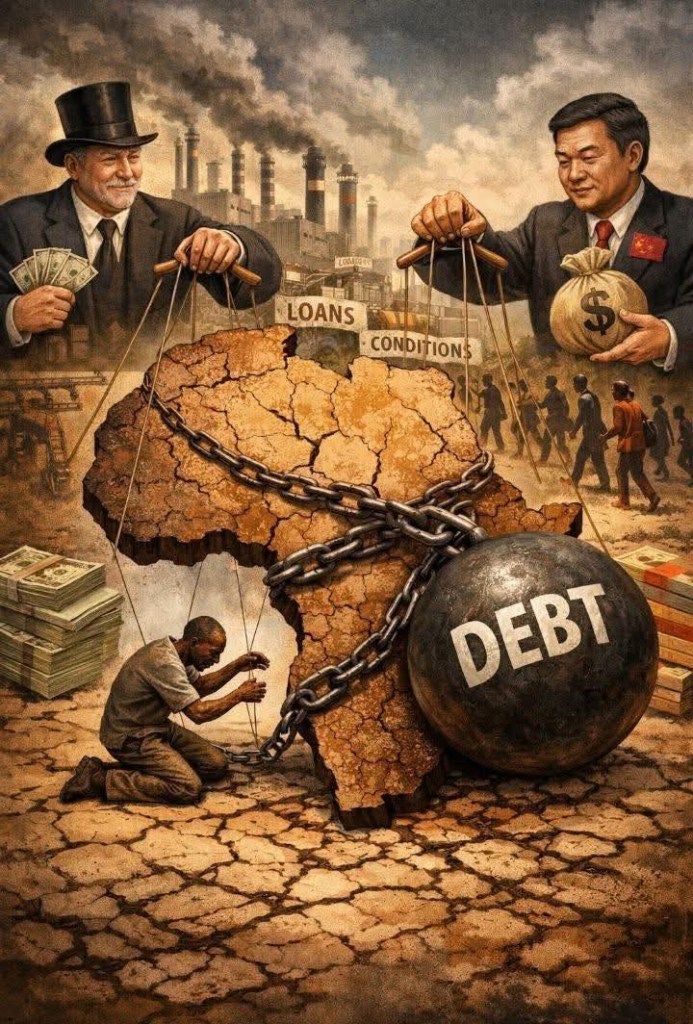
It is time for Africa to confront an uncomfortable but necessary question: are the loans repeatedly taken by Nigeria and many other African countries ever truly repaid? Over decades, trillions of dollars have been borrowed, yet very few of these debts have been fully settled. More importantly, what are the real repayment terms, and why do lenders remain eager to extend new loans even when existing obligations remain outstanding?
Historically, Africa was first impoverished through exploitation and deeply unequal global economic systems. This was followed by the introduction of so-called “development assistance” in the form of loans. In practice, many of these loans come with conditions that undermine domestic industries, weaken policy autonomy, and entrench external influence over national economies.
This reality explains why creditors are rarely alarmed by mounting unpaid debts. Repayment is often not the primary objective. Influence, control, and long-term leverage are. Continuous borrowing sustains a cycle in which African states remain dependent, constrained in their decision-making, and structurally subordinated within the global economy.
For Africa to achieve genuine development, this pattern must end. The continent must prioritize self-reliance, fair trade, value addition, and domestic resource mobilization over perpetual debt accumulation. Economic sovereignty cannot coexist with endless borrowing under unequal terms.
Africa must awaken, recognize this systemic imbalance, and decisively reject policies and practices that perpetuate dependency. The future of the continent depends on it.
 Hi welcome to my website
Good message
LikeLiked by 1 person
Happy new year. I agree with your premise, but not with the cost of freedom for all. That’s the problem that’s happening in my country right now . The rich should not get richer at other people‘s expense.
LikeLiked by 1 person
You are right
LikeLike