
She walked out of the President’s house while he ate dinner.
She walked out of the President’s house while he ate dinner.
And when he tried to kidnap her back, she escaped again.
Philadelphia. May 21, 1796.
Downstairs, the President of the United States sat to dine with his wife, surrounded by the rituals of power and respectability. Upstairs, a young Black woman made a decision that would outlast his presidency, his anger, and the laws written to erase her humanity.
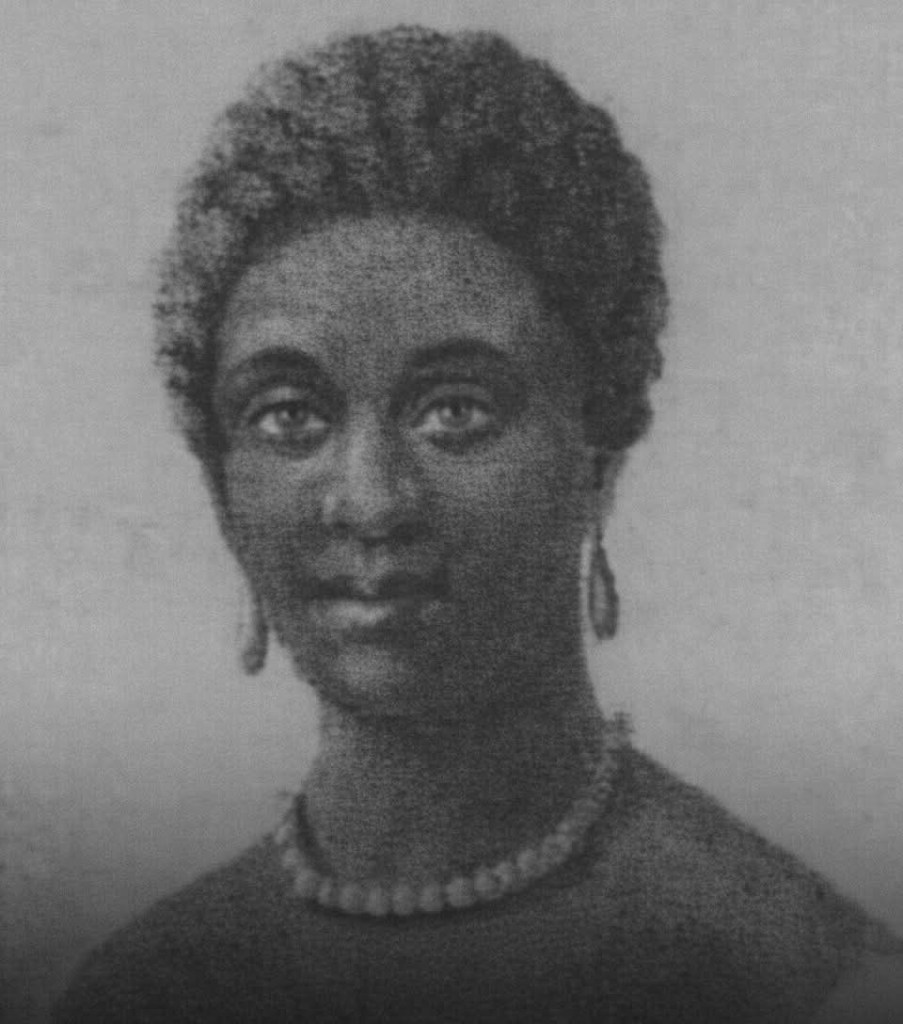
Her name was Ona Judge. She was twenty-two years old. She owned nothing. She had no papers, no money, no legal claim to her own body. The law named her property. The nation’s most powerful man claimed her as his.
But Ona Judge knew one thing with absolute clarity.
She would never go back.
The Gift That Sparked an Escape
Ona Judge had been enslaved by the Washington family since birth, born around 1773 at Mount Vernon. Her mother, Betty, was an enslaved seamstress. Her father, Andrew Judge, was an indentured English tailor. From childhood, Ona was placed close to power, though never allowed to touch it.
She became Martha Washington’s personal attendant, a “body servant.” She dressed her. Styled her hair. Managed her wardrobe. Traveled with the family. Including to Philadelphia, then the nation’s capital, when George Washington assumed the presidency.
Ona was skilled. Trusted. Intelligent. Constantly observed.
And still, she was property.
In 1796, she learned the truth that would force her hand. Martha Washington planned to give her away as a wedding gift to her granddaughter, Elizabeth Custis Law. Ona knew Eliza’s temper. She had seen how she treated enslaved people. But worse than cruelty was finality.
If Ona was transferred to Eliza, she would never be freed.
Martha Washington had privately suggested that Ona might be freed upon her own death, but only if Ona remained her property. Once gifted, that fragile possibility disappeared forever.
Ona understood the math of bondage.
Stay, and lose any chance at freedom.
Leave, and risk everything.
She chose freedom.
The Dinner-Time Escape
Years later, Ona told her story plainly, without drama, in an 1845 interview with Reverend Thomas Archibald.
“Whilst they were packing up to go to Virginia, I was packing to go, I didn’t know where; for I knew that if I went back to Virginia, I should never get my liberty.”
She had prepared quietly. Friends among Philadelphia’s free Black community helped her move small belongings ahead of time. No announcement. No farewell.
She left the President’s House while the Washingtons were eating dinner.
Walked out of the residence of the most powerful man in the country and vanished into the city.
By the time anyone realized she was gone, Ona Judge was already being hidden, protected, and guided north by Black Philadelphians who understood exactly what was at stake. They secured her passage on a ship bound for Portsmouth, New Hampshire.
Freedom moved faster than presidential authority.
Washington’s Fury
George Washington was enraged.
He ran advertisements. Leveraged his political network. Used the full weight of his office to hunt down a young woman whose only crime was refusing to be owned.
When word reached him that Ona had been seen in Portsmouth, Washington acted immediately. He enlisted his Treasury Secretary, who contacted the local customs collector, Joseph Whipple, and ordered him to seize her.
But when Whipple met Ona Judge, something disrupted the machinery of power.
She refused to return. Calmly. Firmly. Without apology.
She offered a compromise. She would come back only if the Washingtons promised to free her upon their deaths.
Washington’s response was unambiguous.
No negotiation.
No conditions.
Return to slavery, or be taken by force.
Ona did not appear at the ship meant to carry her back.
She disappeared again.
The Second Escape
In 1798, Washington made a final attempt.
By then, Ona had married a free Black sailor named Jack Staines and given birth to a daughter. Washington dispatched his nephew and secretary, Burwell Bassett Jr., with secret orders to seize Ona and her infant child and drag them back to Virginia.
Bassett made one mistake. He spoke of his mission in the home of Senator John Langdon.
Someone warned her.
When Bassett arrived to kidnap her, Ona Judge and her baby were gone.
She vanished deeper into New Hampshire, beyond easy reach. George Washington would die the following year, in 1799, without ever reclaiming her.
The Life She Chose
Freedom did not mean ease.
Ona Judge lived the rest of her life in poverty. She worked as a domestic servant. Her husband died young. All three of her children died before her, losses that would have crushed anyone.
But when asked decades later if she regretted her escape, she never hesitated.
“No, I am free.”
She chose hunger over bondage.
Uncertainty over ownership.
A hard life she controlled over a comfortable life where she was owned.
Under the Fugitive Slave Act of 1793, the law insisted she remained stolen property until the day she died. On paper, she was enslaved for fifty-two more years.
In reality, she lived fifty-two years as a free woman.
The law was wrong.
She was right.
What This Forces Us to Face
Ona Judge’s story strips away the mythology.
The same man called the “Father of Our Country” used presidential power to hunt down a young woman who wanted her freedom. He refused her reasonable terms. He authorized the kidnapping of her child. He died angry that she would not submit.
This is not about judging the past by modern standards.
Ona Judge judged her world by the standard of human dignity. And she acted on it.
She knew slavery was wrong in 1796.
She knew it well enough to risk everything.
She knew it well enough to say no to the President of the United States. Twice.
The Name That Remains
Today, at the President’s House site in Philadelphia, her name is carved into the memorial wall. Footsteps are embedded in the ground, marking her escape.
It is a small memorial for a woman who outwitted a nation’s highest office.
But it exists.
And so does her truth.
Ona Judge.
Born enslaved.
Claimed as property.
Who said no.
Who walked out during dinner.
Who refused to be taken back.
Who lived free when the law said she was not.
“No, I am free.”
She said it.
She lived it.
And history is finally learning to listen.
 Hi welcome to my website