
Murtala Mohammed Forms New Cabinet Following Gowon’s Overthrow
Murtala Mohammed Forms New Cabinet Following Gowon’s Overthrow
Source: The Times, Sunday, August 7, 1975
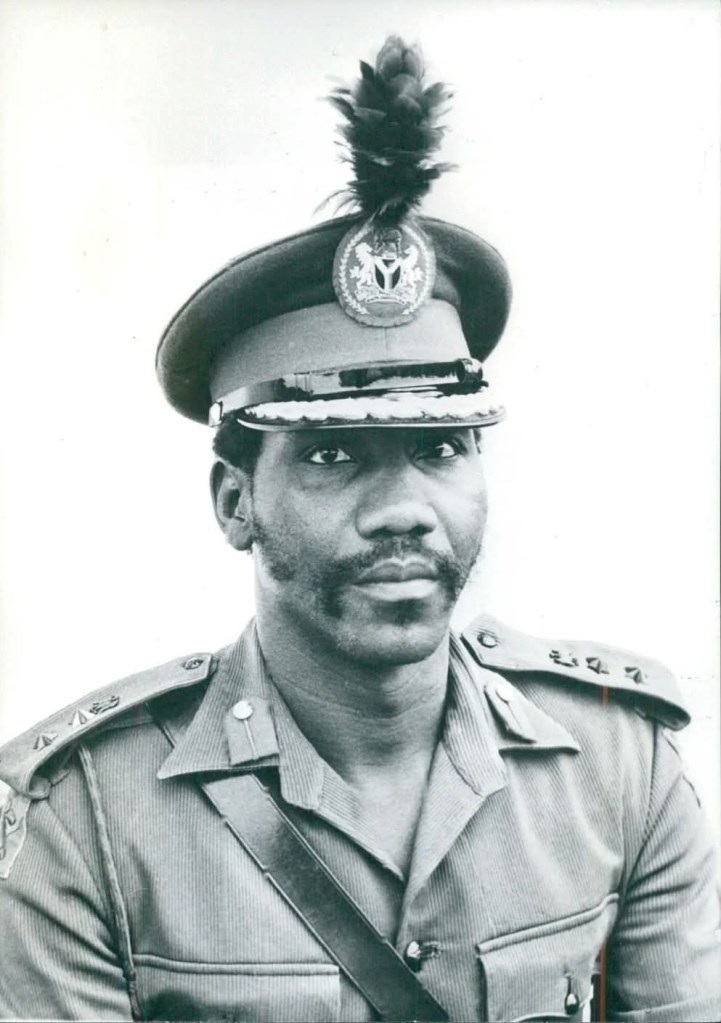
Following the coup that ousted General Yakubu Gowon, Brigadier Murtala Muhammed, Nigeria’s new Head of State, announced the formation of a new Cabinet of 23 commissioners (ministers). This Cabinet reflected a careful attempt to balance ethnic representation, with military officers predominating among key positions, particularly from the North, but several important posts allocated to southerners.
Key Highlights from the Cabinet Appointments:
Military Appointments: Just over half of the portfolios were given to military officers, demonstrating Murtala’s intent to maintain control and stability while consolidating his power.
Retention from Previous Government: Three commissioners retained their roles from Gowon’s administration:
Lieut-Colonel Dr. A. Ali – Education
Colonel M. I. Wushishi – Industry
Brigadier Henry Adefope – Labour
Foreign Affairs: The portfolio was given to Colonel Joseph Garba, commander of the brigade of guards responsible for Gowon’s security, who had publicly proclaimed the coup. Garba, like Gowon, hailed from Benue Province.
Other Notable Appointments:
Defence: Brigadier I. D. Bisalla
Finance: Mr. A. E. Ekukinam
Economic Development: Mr. Umoru Mattalab
Health: Colonel Dan Suleiman
Interior: Mr. U. Shinkafi
Justice: Justice Dan Ibekwe
Mines and Power: Mr. Effiom Otu Ekong
Trade: Brigadier M. Shuwa
Transport: Lieutenant-Colonel S. M. Yaradua
Works: Captain O. Olumide
Communications: Brigadier Murtala Mohammed himself
Petroleum and Energy: Dr. M. T. O. Akobo
Cooperatives and Supply: Mr. M. Ajose-Adeogun
Housing: Dr. R. A. Adeleye
Water Resources: Dr. I. U. William-Osisiogu
Aviation: Mr. Shuaiba Kalaure
Context and Significance:
This Cabinet announcement came just days after Murtala Mohammed’s successful coup on July 29, 1975, which ended Gowon’s decade-long rule. The appointments reflected Murtala’s military-centric yet ethnically mindful governance, aimed at ensuring stability while signaling reform and efficiency in government. The inclusion of senior military officers in critical portfolios, alongside experienced civilians, showcased Murtala’s pragmatic approach to consolidating his regime.
The selection of Colonel Joseph Garba as Foreign Minister was particularly significant, as he had been directly involved in Gowon’s overthrow and now represented Nigeria on the international stage.
This reshuffling marked the beginning of Murtala Mohammed’s transformative but short-lived rule, which would later be cut tragically short by his assassination in February 1976.
 Hi welcome to my website