The African Leaders Who Gathered in Ghana to Plan Continental Freedom
The African Leaders Who Gathered in Ghana to Plan Continental Freedom
In the late 1950s and early 1960s, Accra was more than the capital of a newly independent nation. It became a political crossroads for Africa’s liberation movements. After gaining independence in 1957, Ghana positioned itself as a center for organizing the broader struggle against colonial rule across the continent.
Under the leadership of Kwame Nkrumah, Ghana adopted a clear Pan-African stance. Nkrumah believed that political independence for one African nation was only meaningful if it contributed to the freedom of the entire continent. As a result, Ghana opened its doors to activists, intellectuals, and political leaders from across Africa who were still fighting colonial control.
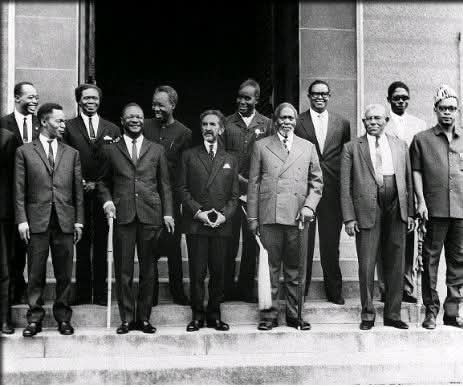
One of the most significant gatherings occurred in 1958 when Accra hosted the All-African Peoples’ Conference. The conference brought together representatives from liberation movements, political organizations, and trade unions across Africa. Delegates discussed strategies for ending colonial rule, strengthening solidarity among African movements, and supporting territories still under European domination.
Leaders who would later shape the future of their countries were part of these discussions. Figures such as Julius Nyerere, Patrice Lumumba, and Ahmed Sékou Touré were among the generation of African nationalists connected to this broader movement for liberation and unity.
These meetings in Ghana were not merely symbolic. They helped coordinate political ideas, build networks among anti-colonial leaders, and reinforce the belief that African independence movements were part of a shared continental struggle.
Accra therefore became more than a national capital; it functioned as a strategic meeting ground for Pan-African cooperation. The discussions held there helped shape the momentum that eventually led to the wave of African independence movements in the 1960s.
Ghana’s role during this period illustrates how one country’s independence can influence the political trajectory of an entire continent. By hosting these leaders and supporting their movements, Ghana positioned itself at the center of Africa’s collective journey toward freedom.
 Hi welcome to my website