They killed him on January 13, 1963 — the first coup d’état in post-colonial Africa
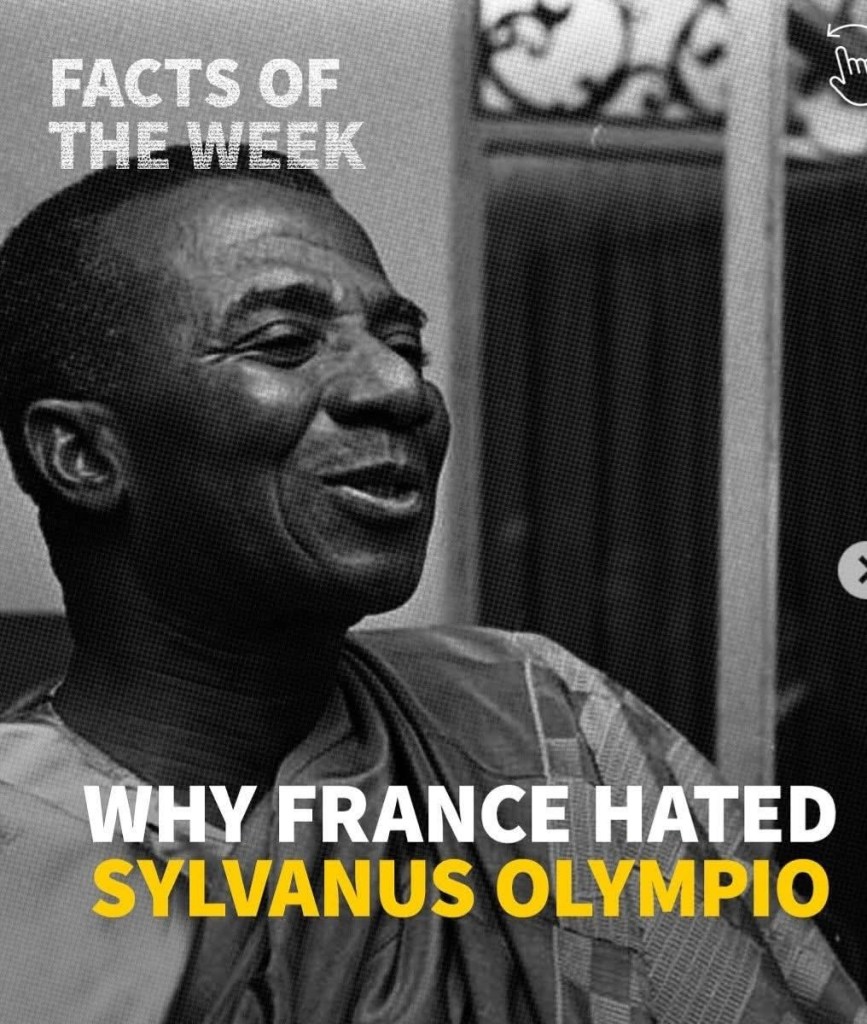
They killed him on January 13, 1963 — the first coup d’état in post-colonial Africa — barely three years after Togo gained independence. Sylvanus Olympio (1902–1963) was not just another African president; he was the embodiment of what true sovereignty looked like before the neo-colonial leash was fully tightened. Born in Lomé to a wealthy merchant family of Brazilian-Togolese descent, educated in London and Paris, fluent in multiple languages, Olympio became the leading voice of Togolese nationalism. He negotiated Togo’s independence from France in 1960 — the first sub-Saharan French colony to achieve it — and was elected president with overwhelming support.
But Olympio made the unforgivable mistake: he refused to keep Togo chained to the CFA franc and the French monetary system. He planned to withdraw from the franc zone, create a national currency for Togo, and break free from the colonial economic umbilical cord that forced African nations to deposit 50–70% of their foreign reserves in the French Treasury and peg their money to the French franc. He also rejected French military bases on Togolese soil and sought genuine partnerships with the United States, Germany, and others — moves that directly threatened France’s grip on West Africa.
On the night of January 12–13, 1963, a group of Togolese soldiers — many of them former colonial tirailleurs freshly returned from Algeria — surrounded his residence. Olympio fled over the wall in pajamas and hid in the US embassy compound next door. The soldiers found him, dragged him out, and executed him with machine-gun fire. Gnassingbé Eyadéma, a sergeant in that unit (later to become Togo’s long-time dictator), is widely believed to have been among the assassins. France never condemned the coup; the US stayed silent; the new regime quickly reversed Olympio’s policies and rejoined the franc zone.
His murder set the template for post-independence Africa: any leader who seriously threatens French economic control or Western access to resources is removed — quickly, violently, and with impunity. Olympio’s death opened the floodgates: coups in Congo (Lumumba), Ghana (Nkrumah), Burkina Faso (Sankara), and dozens more. Togo itself remained under military rule for nearly four decades under Eyadéma and later his son Faure.
Sylvanus Olympio was not perfect — he was elitist, sometimes authoritarian — but he was the rare post-colonial leader who actually tried to deliver real independence, not just a flag and a national anthem. France and its allies made sure that experiment ended in blood.
 Hi welcome to my website