Before Nigeria, the Southeast Was Already Thriving
Before Nigeria, the Southeast Was Already Thriving
Before 1914, the land we now call Nigeria was not one country. The Southeast, home to the Igbo people, was not dependent on anyone. They had their own thriving communities, markets, trade, and culture. Life was organized, and people governed themselves through councils of elders, respecting tradition and local justice systems. Families, towns, and villages had strong social structures.
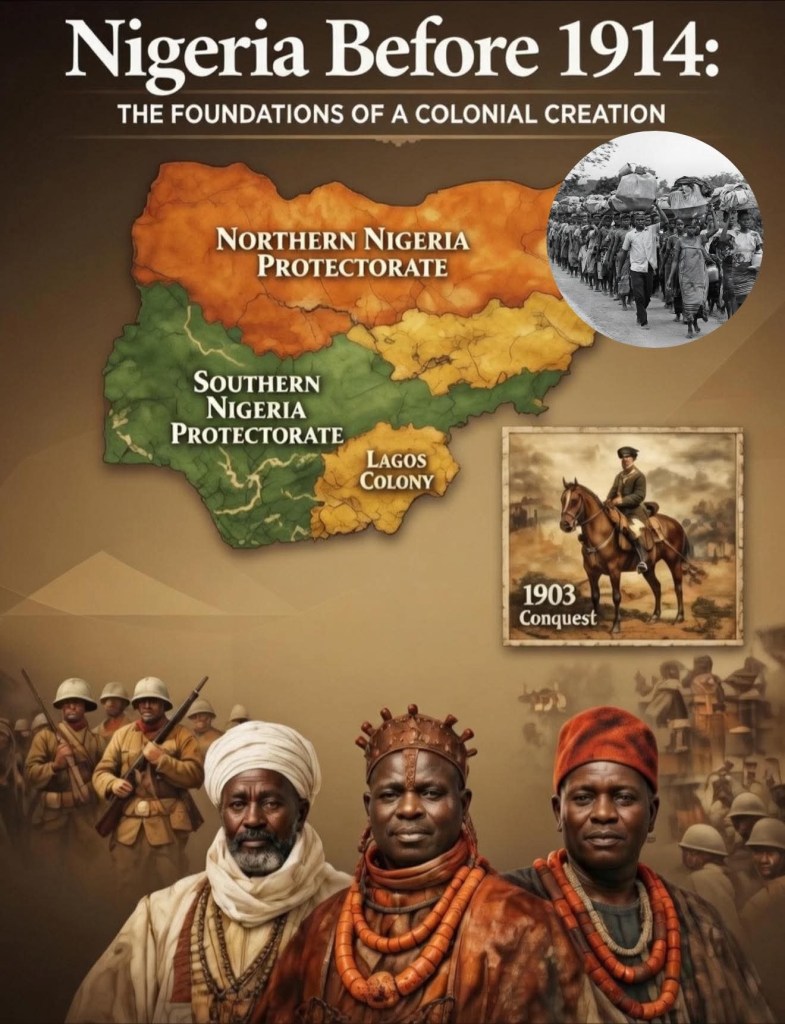
Then came 1914. The British, for their own administrative convenience, merged the Northern Protectorate, Southern Protectorate, and Lagos Colony into a single entity called Nigeria. No one asked the Southeast if they wanted this union. No one cared about their systems or their independence. Suddenly, the Southeast found themselves under the rule of strangers, with very different cultures, religions, and political systems.
Over time, tensions grew. The Hausa-Fulani in the North, who follow Islam, and the Yoruba in the West, who had different political systems and ambitions, began to see the Southeast as outsiders in their own land. Policies, governance, and access to resources often favored the North and West, leaving the Southeast feeling marginalized.
Even today, this hate and distrust are visible. Many in the Southeast feel treated unfairly, their voices ignored in national decisions, their businesses and communities sometimes targeted. The resentment has built up over decades, fueling calls for independence, like the ongoing push to separate and form a nation that reflects the Southeast’s identity, culture, and rights.
 Hi welcome to my website