
Untold African History Stories from Ghana That Were Never Taught in Schools
Untold African History Stories from Ghana That Were Never Taught in Schools
Much of Ghana’s history, as presented in formal education, has often focused on colonial encounters and the eventual path to independence. However, beyond these widely taught narratives lies a deeper and more complex history—one that reflects indigenous systems of governance, resistance, and global influence long before and beyond European involvement.
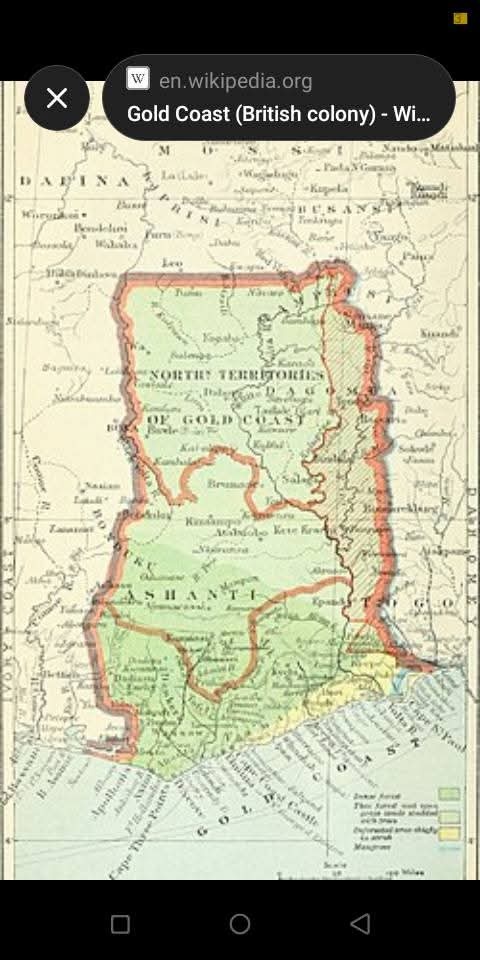
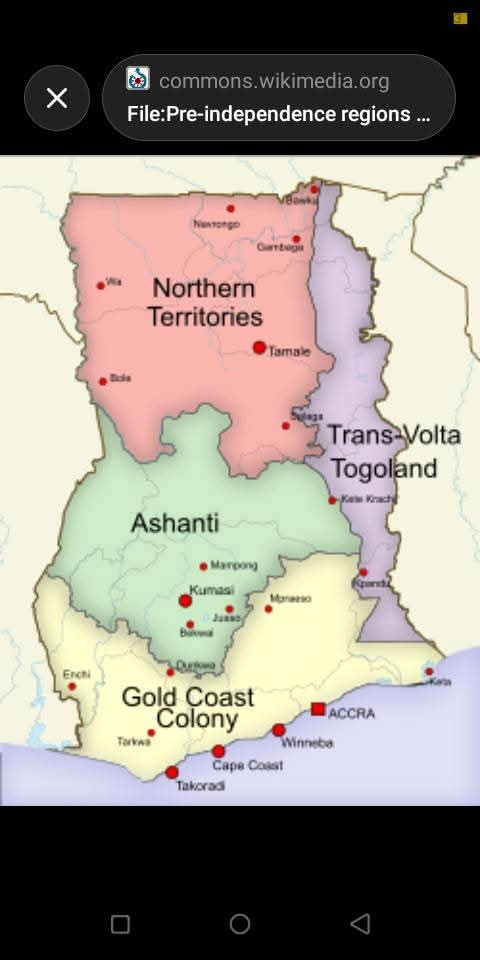
Before colonization, the region now known as Ghana was home to advanced political entities such as the Ashanti Empire. This was not a loosely organized society but a structured state with a centralized authority, legal systems, taxation mechanisms, and a coordinated military. Governance operated through councils of elders and chiefs, demonstrating forms of political organization that are often underrepresented in mainstream historical narratives.
Economic strength was another defining feature. Ghana’s pre-colonial societies were deeply integrated into regional and trans-Saharan trade networks. Gold, kola nuts, and other commodities were exchanged across vast distances, linking West Africa to North Africa and beyond. These trade systems were regulated and sustained by local authorities, reinforcing economic independence and regional influence.
Resistance is also a critical part of Ghana’s untold history. While colonial resistance is sometimes mentioned, the depth of organized opposition is frequently understated. One of the most notable examples is the War of the Golden Stool, led by Yaa Asantewaa. Her leadership challenged British authority at a time when colonial expansion was at its peak, demonstrating both strategic coordination and cultural resolve.
Beyond warfare and governance, cultural systems played a central role in shaping identity. Oral traditions, symbolic art, and social structures preserved knowledge across generations. These systems functioned as educational frameworks long before formal schooling was introduced, ensuring continuity of history and values.
The limitation of many school-based histories is not necessarily inaccuracy, but incompleteness. By focusing primarily on colonial timelines, they often overlook the depth of African agency, innovation, and resilience that existed independently of European influence.
Re-examining Ghana’s history through these untold stories provides a more balanced understanding of the past. It highlights that African societies were not passive recipients of external change but active participants in shaping their own political, economic, and cultural trajectories.
In doing so, these narratives contribute to a broader effort to redefine how African history is understood—both within the continent and globally.
 Hi welcome to my website
Nice write up.
LikeLiked by 1 person