
Igbo history.
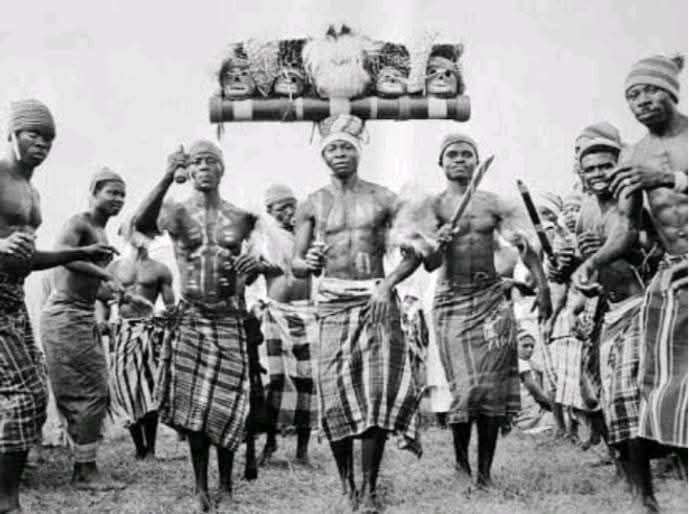
The conflict between the Aro and Ibibio people, also known as the Aro-Ibibio War, was a series of clashes and battles that took place in the late 18th and early 19th centuries in what is now southeastern Nigeria.
The Aro people were a powerful and influential ethnic group that dominated the region of Arochukwu in present-day Abia State. They were known for their expertise in trade, commerce, and warfare. The Ibibio people, on the other hand, were a neighboring ethnic group that inhabited the region of Akwa Ibom State.
Course of the Conflict:
The Aro-Ibibio War was a series of skirmishes, battles, and raids that took place over several decades. The conflict was characterized by the use of traditional weapons, such as spears, bows, and arrows, as well as the deployment of mercenaries and allies.
. The Aro people launched a series of attacks on Ibibio communities, which led to significant losses on both sides.
. The Ibibio people formed alliances with other neighboring ethnic groups, such as the Efik and the Annang, to counter the Aro threat.
. The Aro people responded by forming their own alliances with other groups, such as the Igbo and the Cross River people.
The conflict led to:
. Loss of lives and property: Many people were killed, injured, or displaced during the conflict.
. Economic disruption: The war disrupted trade and commerce in the region, leading to economic hardship for many communities.
. Territorial adjustments: The conflict led to changes in the territorial boundaries between the Aro and Ibibio people.
The Aro-Ibibio War had a lasting impact on the region, shaping the social, economic, and cultural dynamics of the communities involved. The conflict also contributed to the development of new forms of governance, trade, and cultural exchange in the region.
 Hi welcome to my website