
A major part of Marley’s appeal was his commitment to spreading messages of social justice, unity, and spiritual awakening.
A major part of Marley’s appeal was his commitment to spreading messages of social justice, unity, and spiritual awakening. As a devout Rastafarian, Marley often infused his music with the teachings of Rastafari, advocating for African unity and self-empowerment. His lyrics were deeply political, addressing the struggles of the oppressed and calling for change. One of his most famous songs, “Get Up, Stand Up,” became a rallying cry for human rights and was later adopted by activists around the world. Marley’s music wasn’t just about entertainment; it was a vehicle for his political and spiritual beliefs.
In addition to his musical prowess, Marley’s stage presence was magnetic, making him a captivating performer and an ambassador for reggae music globally. His 1978 album Kaya and his famous 1979 live performance at the One Love Peace Concert further solidified his status as an international icon. At the One Love concert, Marley famously united political rivals Michael Manley and Edward Seaga in a moment of peace, showing his belief in music’s power to bring people together. His influence expanded across various music genres, including rock, soul, and pop, as well as social movements around the globe.
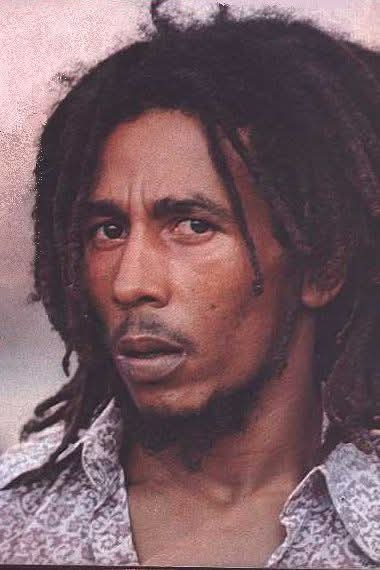


One of my heroes for sure in my continuing quest for global unity. He would entice me to chill on a lonely Jamaican beach listening his reggae sounds
LikeLiked by 1 person
Wow that’s amazing
LikeLike