
Sometimes the most dangerous enemy of slavery lived inside the plantation house itself.
Sometimes the most dangerous enemy of slavery lived inside the plantation house itself.
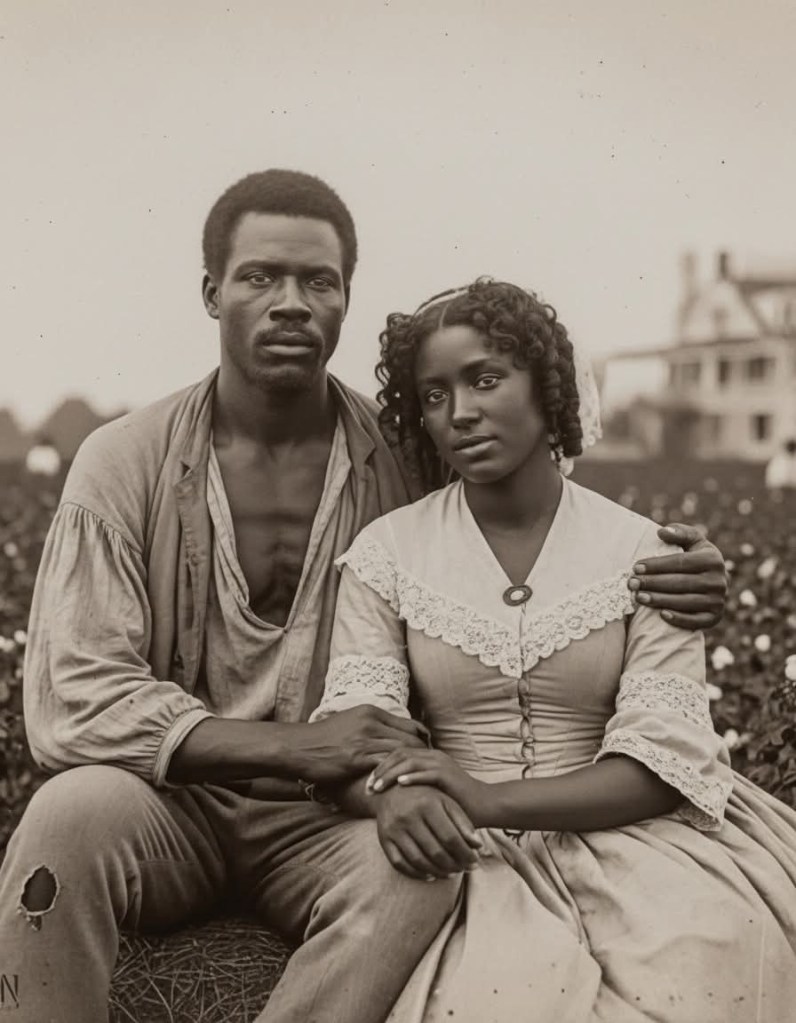
In the thick, suffocating air of South Carolina in 1836, evil did not always announce itself with whips or chains. At Rosewood Plantation, it wore the face of respectability.
Edmund Hartwell was admired—wealthy, composed, a man of standing. From the outside, his life looked like the Southern ideal. But beneath the polished floors and manicured fields, Hartwell was part of something far more sinister: a criminal network that kidnapped free Black people from northern cities and sold them into bondage in the South.
The person who uncovered the truth was the one he never expected—his daughter.
When Margaret Hartwell’s mother lay dying, she left her with a warning that shattered a lifetime of certainty:
“Your father is not the man you think he is.”
What followed was a slow, devastating awakening. Margaret discovered hidden records, coded correspondence, and testimonies that revealed her father was not merely benefiting from slavery—he was actively expanding it, trafficking free Black men and women as if they were cargo.
The weight of that knowledge split her life in two.
For six years, Margaret lived a double existence. By day, she was the obedient daughter of a planter. By night, she secretly taught enslaved children to read—an act punishable by law, but fueled by quiet rebellion. She believed literacy could be a seed of freedom, even if she never lived to see it bloom.
Then Thomas arrived.
Thomas had been free in Philadelphia. He had a name, a trade, a future—until he was abducted and sold south. When Margaret learned his story, the final illusion collapsed. Thomas recognized the plantation records for what they were: evidence of a sprawling, illegal operation that reached far beyond Rosewood’s fields.
Together, they understood the truth no one wanted spoken aloud—slavery didn’t only rely on violence. It relied on silence.
Thomas proposed a plan as dangerous as it was righteous: steal the documents, expose the network, and bring it all down. Doing so would destroy Edmund Hartwell—and forever sever Margaret from the only family she had known.
There was no version of justice that came without loss.
To betray her father meant choosing humanity over blood, truth over comfort, freedom over inheritance. It meant accepting that love does not excuse evil—and that neutrality is never innocent.
Margaret chose to act.
What they sacrificed cannot be measured. What they saved cannot be fully counted. But their resistance cracked something open—proof that even inside the heart of oppression, conscience could still rise.
This story forces a hard question upon us:
What do we owe the truth when it costs us everything?
And how many systems of cruelty survive only because those closest to them refuse to look?
The legacy of Rosewood Plantation is not just one of horror—it is a reminder that justice often begins with betrayal of the lie, and that resistance sometimes wears the face of someone raised inside the enemy’s house.
History doesn’t only move through revolutions.
Sometimes, it moves through one impossible choice.
 Hi welcome to my website
This hit deep, the way a daughter chose truth over family shows that real resistance often comes from the heart and shakes the roots of injustice.
LikeLiked by 2 people
Excellent values are expressed in this well-written post.I enjoyed reading.
LikeLiked by 1 person