Nelson Mandela’s Historic First Visit to Nigeria (May 14, 1990)
Nelson Mandela’s Historic First Visit to Nigeria (May 14, 1990)
After his release from 27 years of imprisonment, Nelson Mandela made one of his earliest international visits to Nigeria on May 14, 1990—a moment that carried deep political and emotional significance.
A Hero’s Welcome in Lagos
Mandela was received in Lagos, then Nigeria’s capital, with massive enthusiasm. Crowds gathered in large numbers, celebrating him not just as a South African leader, but as a symbol of African resistance and freedom.
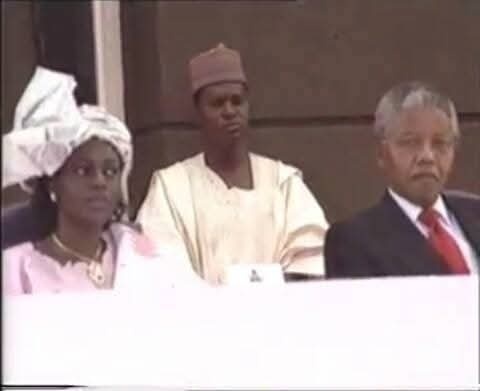
At the State House, Marina, he attended an official reception where he was seen alongside Maryam Babangida, wife of then Head of State Ibrahim Babangida.
Why Nigeria Mattered to Mandela
Nigeria played a key role in the global anti-apartheid struggle:
It was one of the strongest African voices against apartheid in South Africa
Provided financial and diplomatic support to the African National Congress (ANC)
Mobilised international pressure against the apartheid regime
Mandela’s visit was, in many ways, a thank-you tour to nations that stood firmly with the ANC during his imprisonment.
Key Highlights of the Visit
State Reception: Hosted at the State House in Marina, Lagos
Public Engagements: Addressed large crowds and dignitaries
Symbolism: Marked a new chapter in Africa’s liberation movement
Diplomatic Strengthening: Reinforced Nigeria–South Africa relations
A Defining African Moment
Mandela’s presence in Nigeria shortly after his release symbolised hope—not just for South Africa, but for the entire African continent. His visit strengthened the idea of pan-African solidarity, showing how collective resistance could dismantle oppression.
Legacy
This 1990 visit remains one of the most memorable diplomatic and emotional moments in Nigerian history. It reinforced Nigeria’s reputation as a frontline state in the fight against apartheid and highlighted Mandela’s enduring connection with Africa beyond South Africa.