WHO REALLY STARTED BOKO HARAM? (PART 3: THE RISE OF SHEKAU AND THE SHIFT TO TERROR)
WHO REALLY STARTED BOKO HARAM? (PART 3: THE RISE OF SHEKAU AND THE SHIFT TO TERROR)
In Part 2, we saw the 2009 uprising and the extrajudicial killing of Mohammed Yusuf. For a moment, the Nigerian government believed the “sect” had been crushed. But in the shadows of the Sambisa Forest, a much more dangerous version of the group was being born.
This is the chapter where a local religious movement transformed into a global security threat.
- The Man from the Shadows: Abubakar Shekau
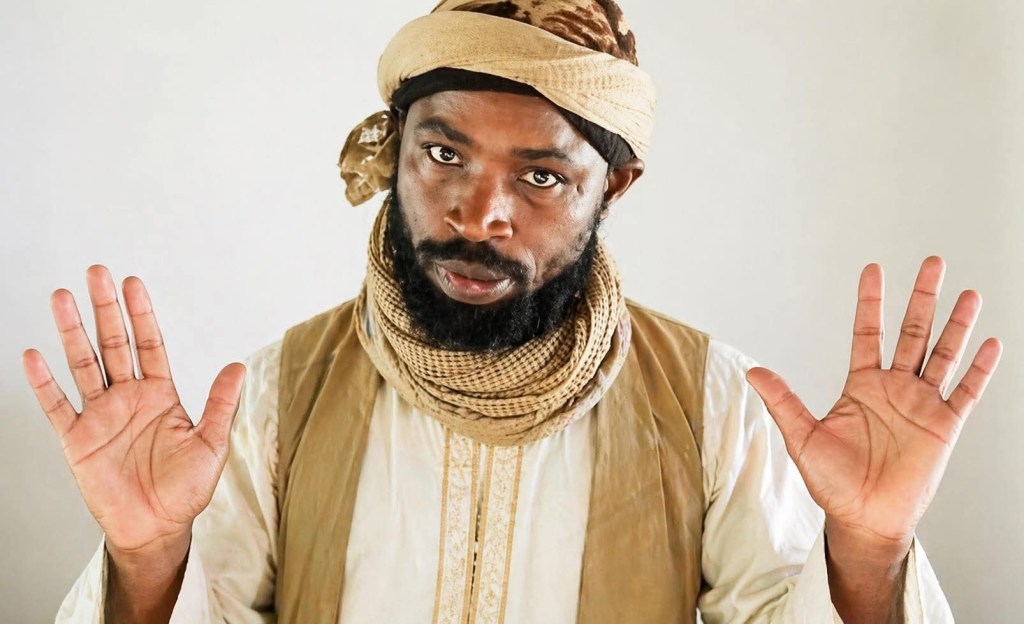
After the 2009 crackdown, the group’s second-in-command, Abubakar Shekau, was rumored to be dead. However, in July 2010, he appeared in a video that sent shockwaves through the country.
Unlike the more academic and debating style of Mohammed Yusuf, Shekau was:
Militant and Erratic: His speeches were filled with threats and a much more violent interpretation of their ideology.
Tactically Sophisticated: Under his leadership, the group shifted from machetes and Dane guns to IEDs (Improvised Explosive Devices) and suicide bombings.
Invisible: He moved the group’s operations from the streets of Maiduguri into the deep, inaccessible forests of the Northeast.
- The Bauchi Prison Break (September 2010)
The world received its first “wake-up call” that the group was back when they launched a massive raid on the Bauchi Federal Prison.
They successfully freed over 700 inmates, including many of their veteran members who had been arrested during the 2009 uprising.
This move didn’t just replenish their numbers; it proved that the group now had the tactical ability to strike high-security government facilities.
- Crossing the Red Line: The UN Building Bombing
Until 2011, the group mostly targeted the police and local rivals. That changed on August 26, 2011, when a suicide bomber drove a car into the United Nations Headquarters in Abuja.
The Impact: 23 people were killed. It was the first time the group had targeted an international organization.
The Message: This was no longer just a “local problem” in Borno. By striking the nation’s capital and an international body, they signaled that they were now part of a global jihadist network, eventually seeking ties with groups like Al-Qaeda in the Islamic Maghreb (AQIM).
- From “Sect” to “Insurgency”
Between 2011 and 2014, the group’s strategy shifted from targeted assassinations to “scorched earth” tactics:
The School Attacks: They began targeting Western-style schools, leading to horrific tragedies like the Buni Yadi massacre where dozens of students were killed in their dormitories.
Territorial Ambition: By 2014, they were no longer just attacking; they were holding territory. They began declaring “Caliphates” in towns like Gwoza, effectively challenging the sovereignty of the Nigerian state.
The Turning Point
As the violence escalated, the civilian population found themselves caught in the middle. The “warning signs” of 2002 had grown into a full-scale war that would eventually lead to one of the most infamous events in modern history: the Chibok schoolgirls kidnapping.
In Part 4, we will look at the global outcry of 2014, the “Bring Back Our Girls” movement, and the splintering of the group into the factions we see today.
How did the transition from a “preaching group” to a “violent group” happen so fast? Was it the death of Yusuf, or was this violence always the plan? Let’s talk below.