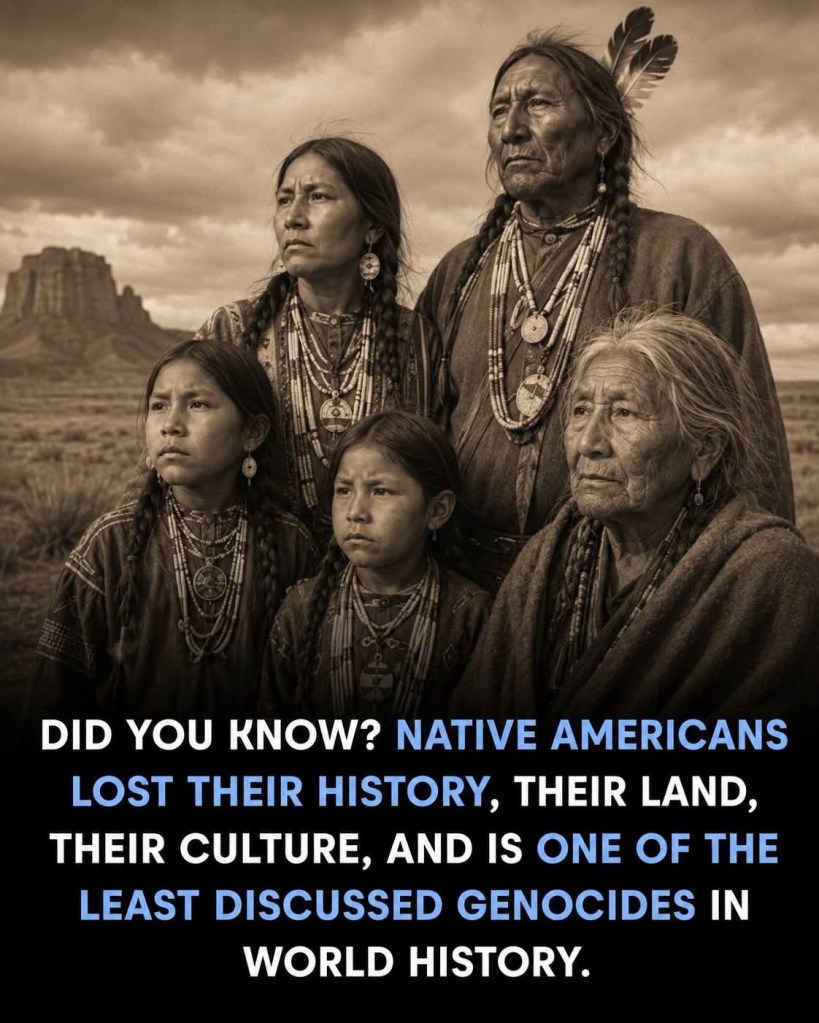
The history of Native American peoples is deeply tied to the land, culture, and knowledge
The history of Native American peoples is deeply tied to the land, culture, and knowledge systems that existed long before modern nation-states were formed. Yet much of this history has been simplified or ignored in popular narratives. Generations of Indigenous communities experienced forced removal, broken treaties, cultural suppression, and systemic discrimination. These events were not isolated moments but long processes that reshaped entire societies and disrupted languages, traditions, and family structures.
The harm went beyond population loss. Many communities were pushed off ancestral territories, sacred sites were taken, and traditional livelihoods were restricted. Policies of forced assimilation — including boarding schools and cultural bans — aimed to separate children from their heritage and replace Indigenous identity with imposed norms. The effects of these policies are still felt today through intergenerational trauma, economic gaps, and ongoing legal and social struggles.
At the same time, Native American nations have shown extraordinary endurance. Languages are being revived, cultural practices are being taught again, and tribal governments continue to assert sovereignty and legal rights. Artists, scholars, and community leaders are bringing forward Indigenous perspectives and correcting historical records. Their work helps broaden public understanding and challenges incomplete versions of the past.
Learning this history matters because it shapes how justice, rights, and respect are understood in the present. Listening to Native voices, supporting cultural preservation, and acknowledging historical wrongs are practical steps toward a fairer future. Remembering is not only about the past — it is about recognizing living communities whose cultures and contributions remain vital today.