
ELMINA CASTLE: THE PORTUGUESE FORT WHERE 30,000 AFRICANS WERE CHAINED BEFORE THE ATLANTIC CROSSING
ELMINA CASTLE: THE PORTUGUESE FORT WHERE 30,000 AFRICANS WERE CHAINED BEFORE THE ATLANTIC CROSSING
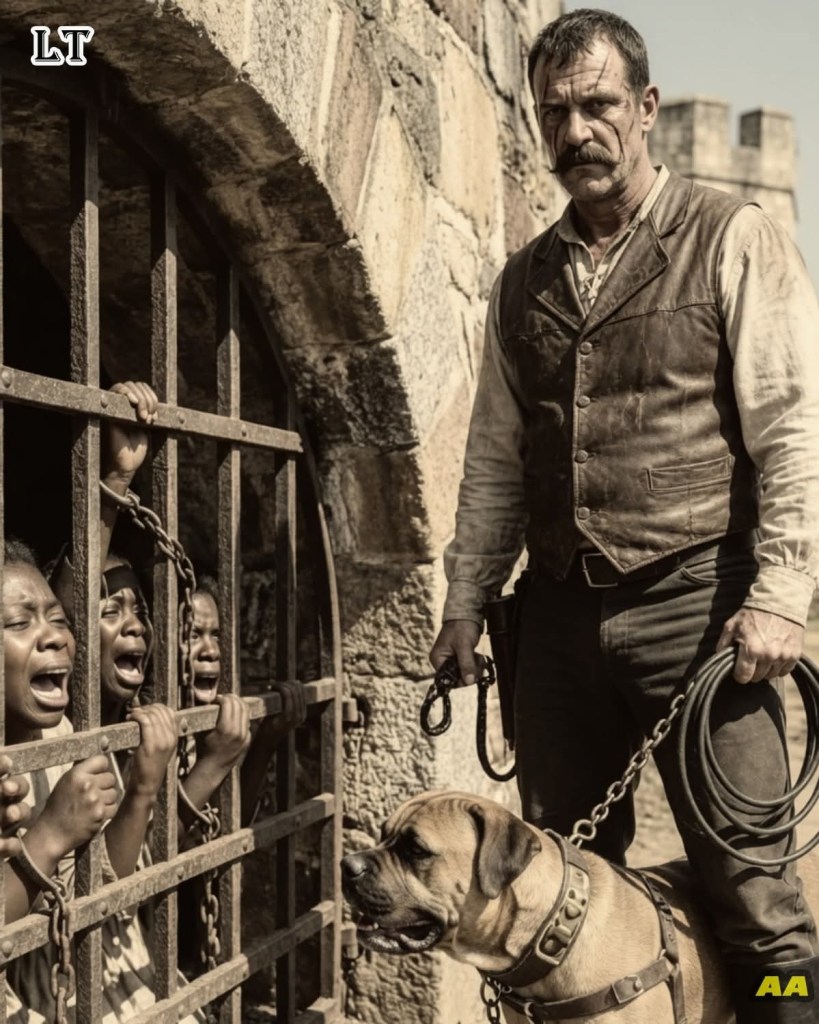
For over three centuries, Elmina Castle stood on the rocky coast of what is now Ghana, its whitewashed walls gleaming under the tropical sun. Each year, approximately 30,000 human beings were forced through a narrow doorway cut into its stone wall—the infamous Door of No Return. They entered standing tall. They left in chains, never to set foot on African soil again.
The story of this fortress began not with slavery, but with gold. In 1482, Portuguese explorers, led by Diogo de Azambuja, arrived seeking control of the rich Akan gold trade. With a fleet carrying pre-cut stones, soldiers, and masons—including, some accounts suggest, a young Christopher Columbus—they built São Jorge da Mina on land taken through deception and violence. They desecrated a sacred rock and burned a local village when resistance arose. The first European structure south of the Sahara rose on broken promises.
For decades, Elmina thrived as a trading post exporting vast quantities of gold. Yet even then, enslaved Africans from other regions were brought in and traded as laborers. When sugar plantations in Brazil and the Caribbean created explosive demand for labor in the 16th century, everything changed. Warehouses became dungeons. The castle transformed into a sophisticated machine for processing human cargo.
Its architecture revealed a brutal hierarchy. European governors and soldiers lived in airy quarters on the upper levels, enjoying sea breezes and comfort. Below them lay the male and female dungeons—dark, airless chambers holding up to 1,000 captives at a time. Men and women endured weeks or months chained in filth, disease, and darkness on floors that eventually hardened with layers of human waste. Above the women’s dungeon, the governor’s balcony allowed him to select captives for his private chambers via an ornate staircase that connected horror to privilege.
Resistance flickered constantly—uprisings in chains, refusals to eat, desperate acts of defiance—yet the system ground on.
The most chilling moment came when ships arrived and captives were led single file through the Door of No Return…
To discover the full horrors of the middle passage, the condemned cell, and the lingering questions Elmina still asks today.
click the link below and read the full story now!


This is a powerful and sobering historical account.
What stands out most is the clarity with which you trace the transformation of Elmina Castle—from a trading post of gold to a structured system of human suffering—and how the architecture itself becomes part of the story of oppression. The contrast between the lives above and below the castle is especially striking and deeply unsettling, which is exactly what makes the narrative effective.
LikeLiked by 1 person
My job is to pass information to the younger generation to know what Africa has gone through so that you’ll never be the mistakes again
LikeLiked by 1 person