History often celebrates kings, warriors and politicians, but many of Nigeria’s greatest heroines remain hidden in the shadows.
History often celebrates kings, warriors and politicians, but many of Nigeria’s greatest heroines remain hidden in the shadows. Their courage, intelligence and sacrifice helped shape the nation we know today, yet their names are rarely mentioned in classrooms or everyday conversations.
Long before women gained wider recognition in leadership, some Nigerian women were already changing history.
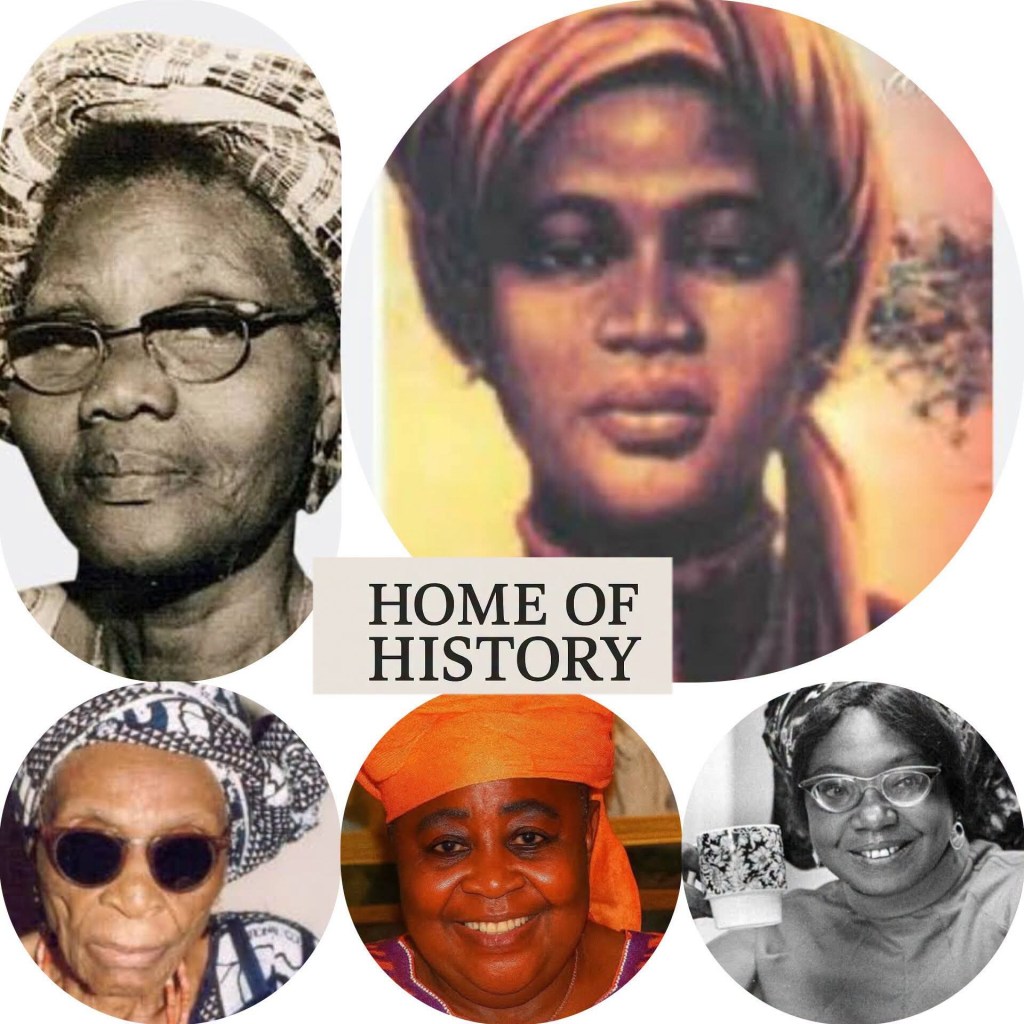
One of them was Funmilayo Ransome-Kuti. At a time when many believed women should remain silent, she stood up against injustice. In the late 1940s, she led thousands of women in Abeokuta to protest unfair taxes imposed by the colonial administration. Her movement became so powerful that the Alake of Abeokuta was forced to temporarily abdicate his throne. She proved that determined women could influence both traditional rulers and colonial authorities.
Then there was Queen Amina of Zazzau, the legendary warrior queen who ruled centuries ago. She expanded her kingdom through military campaigns, built defensive walls around many cities and became a symbol of courage and strategic leadership. Today, the famous “Amina Walls” are still remembered as part of her remarkable legacy.
Another unforgettable heroine was Margaret Ekpo. During Nigeria’s struggle for independence, she fought tirelessly for the political rights of women. She encouraged women to participate in politics when many believed politics belonged only to men. Her efforts opened doors for generations of Nigerian women.
The story of Gambo Sawaba is equally inspiring. She refused to accept discrimination against women in Northern Nigeria. Despite facing arrests and intimidation, she continued campaigning for girls’ education and women’s participation in public life. Her determination made her one of the country’s most fearless activists.
In the literary world, Flora Nwapa made history by becoming the first Nigerian woman to publish an internationally recognised novel in English. She showed the world that African women had stories worth telling, paving the way for many female writers who followed.
These women came from different regions, cultures and backgrounds, but they shared one thing in common: they refused to accept the limits society placed on them.
Their stories remind us that history is not only made by those who wear crowns or hold political office. It is also made by mothers who organised protests, teachers who inspired change, writers who preserved culture and activists who refused to give up.
As we celebrate Nigeria’s history, we must also celebrate the women whose courage changed the course of the nation. Their legacies continue to inspire young girls to dream bigger, speak louder and believe that they too can make history.
The next time someone asks who built Nigeria, remember this: history was written by men and women alike. The difference is that many of our heroines are still waiting for their stories to be told.