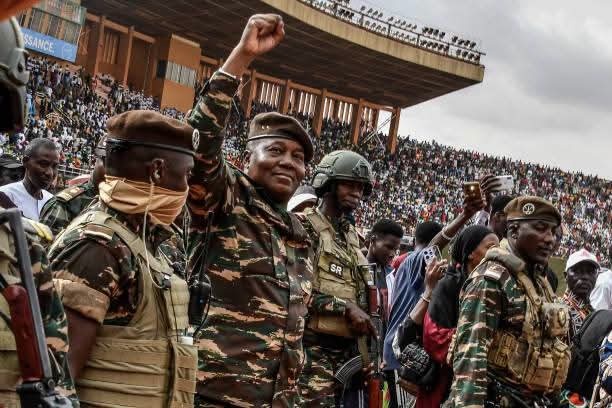
Niger’s military junta has thwarted an attempted coup following intense overnight gunfire and explosions across the capital city of Niamey.
Niger’s military junta has thwarted an attempted coup following intense overnight gunfire and explosions across the capital city of Niamey.
The ruling military junta, the National Council for the Safeguarding of the Homeland (CNSP) led by General Abdourahamane Tchiani, announced that the situation is currently under containment and that loyalist troops are steadily regaining control.
Heavy gunfire and explosions erupted across several strategic sectors of the capital, focusing heavily on the Diori Hamani International Airport (which houses a critical military base) and the Plateau administrative district, where the presidential palace is located.
According to Niger’s Defense Minister, Gen. Salifou Mody, a group of mutinous soldiers broke military orders, took fellow officers hostage at the Base 101 military facility, and opened fire on sensitive government and administrative sites
The Presidential Guard and loyalist security forces deployed heavy counter-operations to repel the mutineers. The military regime has stated they are “gradually regaining control” of the targeted locations, though independent observers note the situation in Niamey remains highly volatile and tense.
No official casualty figures have been released. The current whereabouts of Niger’s main military leader, General Abdourahamane Tchiani, remain unclear. State broadcaster RTN went dark for a few hours during the peak of the clashes but has since resumed broadcasting, with the junta urging the public to remain calm.
This internal military uprising highlights deepening fractures within Niger’s armed forces. Since the military seized power in a July 2023 coup, the junta has severed traditional security ties with Western allies like France and the U.S. in favor of partnering with Russia. However, the regime has struggled heavily to suppress escalating jihadist violence throughout the country. Severe military losses and an inability to secure the region have fueled rampant discontent and unrest among the rank-and-file soldiers, culminating in this open rebellion.