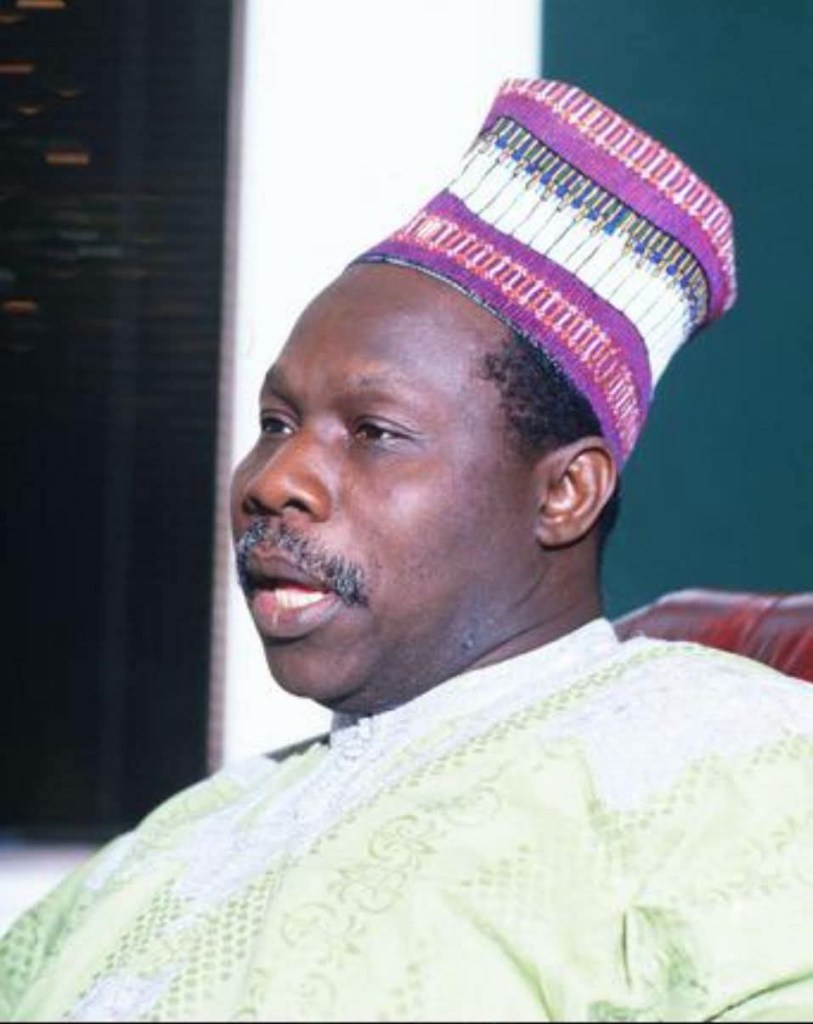
As Head of State in the 1970s, General Olusegun Obasanjo effectively banned the use of Mercedes-Benz as official government cars for some reasons:
As Head of State in the 1970s, General Olusegun Obasanjo effectively banned the use of Mercedes-Benz as official government cars for some reasons:
- To cut cost and extravagance at a time Nigeria was trying to promote discipline and reduce waste in public spending. Obasanjo believed government officials should avoid unnecessary luxury.
- After the a$$assinat!on of Murtala Mohammed in 1976, the new military leadership emphasized austerity and anti-c0rruption. Flashy official cars were viewed as symbols of elite excess and detachment from ordinary Nigerians.
- The policy was meant to encourage local industry. During that period, Nigeria had assembly plants like Peugeot Automobile Nigeria (PAN) in Kaduna and Volkswagen of Nigeria in Lagos. Officials were encouraged to use Peugeot and Volkswagen models assembled in Nigeria to boost local manufacturing and conserve foreign exchange.
- There was the need for foreign exchange conservation
However, Mercedes-Benz gradually returned as Nigeria’s dominant official car brand from the 1980s onward due to a mix of political, economic, and practical reasons, some of which included:
- Decline of local assembly plants. By the mid-1980s, economic cris!s and the Structural Adjustment Programme (SAP) under Ibrahim Babangida weakened the local industries. There was a scarcity of foreign exchange, poor maintenance culture, declining production capacity and inconsistent spare parts supply.
As local plants struggled, government officials began reverting to fully imported vehicles.
- Mercedes-Benz as a brand had already built a reputation as durable, comfortable, suitable for rough roads and a symbol of authority. Military leaders and top civil servants preferred the brand because it projected prestige and strength. Over time, it became almost synonymous with official power.
By the time Olusegun Obasanjo returned as civilian president in 1999, Mercedes-Benz was already entrenched again in government fleets.
Subsequent administrations continued the trend, making it the default official vehicle.