
TODAY IN HISTORY: ON THIS DAY,SEPTEMBER 15,1960-THE LAGOS STOCK EXCHANGE WAS BORN, JUST 15 DAYS BEFORE NIGERIA’S INDEPENDENCE
TODAY IN HISTORY: ON THIS DAY,SEPTEMBER 15,1960-THE LAGOS STOCK EXCHANGE WAS BORN, JUST 15 DAYS BEFORE NIGERIA’S INDEPENDENCE
On September 15, 1960, just two weeks before Nigeria gained independence, a major institution that would shape the country’s financial history was established — the Lagos Stock Exchange.
At the time, Nigeria was still under coloni@l rule, and the country’s formal financial system was still developing. The creation of a stock exchange was seen as an important step toward building a modern Nigerian economy and creating a place where investors could buy and sell securities in Nigeria.
Seven individuals and organisations subscribed to the original Memorandum of Association:
R.S.V. Scott, representing C.T. Bowring & Co. Nigeria Ltd.; Chief Theophilus Adebayo Doherty; John Holt Ltd.; Investment Company of Nigeria (ICON); Sir Louis Odumegwu Ojukwu; Chief Akintola Williams; and Alhaji Shehu Bukar.
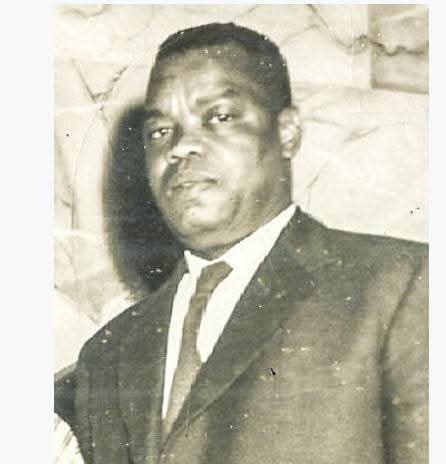
Among them was Sir Louis Odumegwu Ojukwu, one of the most prominent businessmen in colonial Nigeria and father of the future Biafran leader, Chukwuemeka Odumegwu Ojukwu.
Another was Akintola Williams, who would become one of Nigeria’s most respected accountants and a founding father of the country’s capital market. He was the only surviving original signatory when the Nigerian Stock Exchange later honoured him for his role in its establishment.
The Exchange did not begin full official operations immediately. Trading commenced in 1961, initially with just 19 securities — including Nigerian government bonds and shares in Nigerian companies.
In its early days, trading was conducted inside the Central Bank building, with four firms acting as market dealers: Inlaks, John Holt, C.T. Bowring and ICON.
For many years, it remained known as the Lagos Stock Exchange. In December 1977, its name was changed to the Nigerian Stock Exchange, reflecting its growing national role.
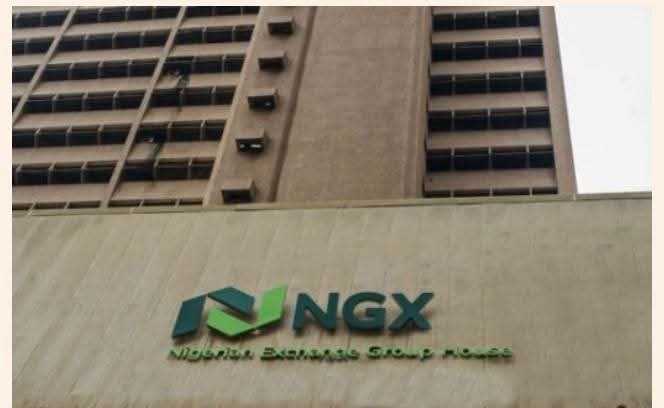
Decades later, the institution evolved again. In 2021, the Nigerian Stock Exchange was demutualised, giving rise to the Nigerian Exchange Group (NGX Group) and its subsidiaries.
From seven founding subscribers in 1960 and only 19 securities at the beginning of trading, it grew into one of the central institutions of Nigeria’s modern financial system.
September 15, 1960 — a date that quietly changed the history of Nigerian business and finance.
 Hi welcome to my website