How Fossil Fauna Helped Map Humanity – The Bones Beneath the Myths
The Science of Warm-Blooded Clues and Cold Truths
How Fossil Fauna Helped Map Humanity – The Bones Beneath the Myths
The Science of Warm-Blooded Clues and Cold Truths
Fossilized animals aren’t just remnants of extinct ecosystems—they’re living timestamps, climate archives, and co-authors in the human journey. Whether warm-adapted hippos in the Sahara or cold-weather reindeer in Ice Age France, faunal remains have radically reshaped what we know about humanity’s origins, migrations, and innovations—especially in Africa.
What Are Faunal Fossils?
Bones. Teeth. Horns. Shells. Dung. Anything that once belonged to an animal and got preserved in the archaeological record.
But more than that—they’re environmental barometers. Faunal remains tell us what the climate was, what humans hunted, what they wore, how they moved, and where they thrived.
Warm vs. Cold Adapted Fauna – Climates in Conflict
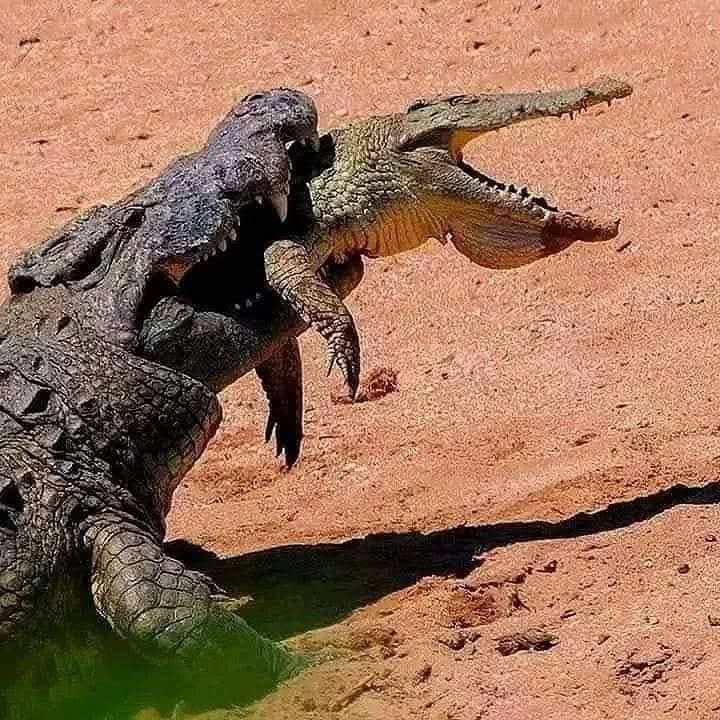
■ Warm-adapted fauna (e.g. crocodiles, hippos, water buffalo, elephants) mark lush, tropical ecosystems.
■ Cold-adapted fauna (e.g. reindeer, woolly mammoths, aurochs, arctic foxes) signal glacial or steppe environments.
By mapping the presence of these species across time and continents, scientists have built a deep-time map of human migration, settlement, and survival strategies.
10 Groundbreaking Human Discoveries Guided by Faunal Fossils
(1). Nabta Playa (Egypt-Sudan border) – Hippos in the Sand?
Hippo and crocodile fossils in what is now desert prove that the Sahara was once a green, river-rich ecosystem. This warm-fauna record helped confirm seasonal human settlements as far back as 9,000 BCE.
(2). Blombos Cave (South Africa) – Shellfish and Seal Bones
Marine fauna here revealed humans were exploiting the ocean as early as 75,000 BCE, proving planning, navigation, and seasonal return patterns long before agriculture.
(3). Omo Kibish (Ethiopia) – Animal Bones and Human Origins
Fossils of warm-adapted fauna like antelope and buffalo alongside Homo sapiens bones (~195,000 years ago) helped establish East Africa as the oldest confirmed homeland of modern humans.
(4). Adrar Bous (Niger) – Cattle Before the Desert
Ancient cow bones and grazing herbivores dated to ~6,000 BCE showed early pastoralism in the central Sahara, long before it became arid—linking environmental change with human adaptation.
(5). Qesem Cave (Israel) – Faunal Shifts and Early Globalization
Cold-adapted deer bones vanish while warmer climate species appear, tracking climate-induced migration of early Homo sapiens and Neanderthals out of Africa ~100,000 years ago.
(6). Grotte des Pigeons (Morocco) – Shellfish, Gazelles, and Global Trade
Faunal remains here, especially exotic shells, showed a connected prehistoric world stretching across North Africa, the Levant, and the Mediterranean ~15,000 years ago.
(7). Uan Muhuggiag (Libya) – Cattle, Goats, and the Black Mummy
Animal bones found with the mummified child (~5600 BCE) confirmed ritual herding and domestication during a lush Sahara phase—evidence of organized life before dynastic Egypt.
(8). Laetoli (Tanzania) – Ancient Herbivores on the Move
Trackways of animals (and humans!) across volcanic ash layers dated to ~3.6 million years ago paint a vivid picture of shared ecosystems—proving hominins lived among diverse megafauna.
(9). Star Carr (England) – Antlers, Hides, and Human Cold Adaptation
Red deer antlers and waterfowl bones reveal how humans braved glacial climates using animal products for clothing, shelter, and ritual around 9,000 BCE.
(10). Fauna from the Nile Valley – Continuity and Collapse
Changes in faunal populations (from hippos to desert gazelles) tracked shifts in the Nile’s flow and helped explain political collapses and resettlements across Egyptian dynasties.
Why Fossil Fauna Matter in Human History:
- Environmental Indicators: Species distribution tells us what ancient climates looked like—and where humans could survive.
- Migration Markers: Cold- and warm-adapted fauna tell us when and where humans migrated across continents.
- Dietary and Ritual Clues: Bones, cuts, burns, and placements reveal what people ate, how they hunted, and even what they worshipped.
- Decolonizing Narratives: Fossils in Africa reveal complex behavior and innovation long before Europe had permanent settlement.
Conclusion: Bones That Speak Across Continents
Faunal fossils aren’t just animal leftovers—they’re human signposts. With every tusk, shell, and antler, we uncover not just what our ancestors hunted—but how they thought, how they moved, and how they survived. In Africa and beyond, the animals tell a story colonial archaeology tried to mute:
Humanity adapted everywhere—but started here.
The bones don’t lie.
They roar.
Africa #World