Why Did Africa Ban Nuclear Weapons? The Pelindaba Treaty Explained
Why Did Africa Ban Nuclear Weapons? The Pelindaba Treaty Explained
Most people don’t know this, but Africa made itself a nuclear-weapon-free zone. Here’s why and who was behind it.
- WHAT IS THE DEAL?
It’s called the Treaty of Pelindaba, or the African Nuclear-Weapon-Free Zone Treaty.
- Signed: 11 April 1996 in Cairo, Egypt
- Came into force: 15 July 2009
- Signed by: 53 African countries. 43 have ratified it so far
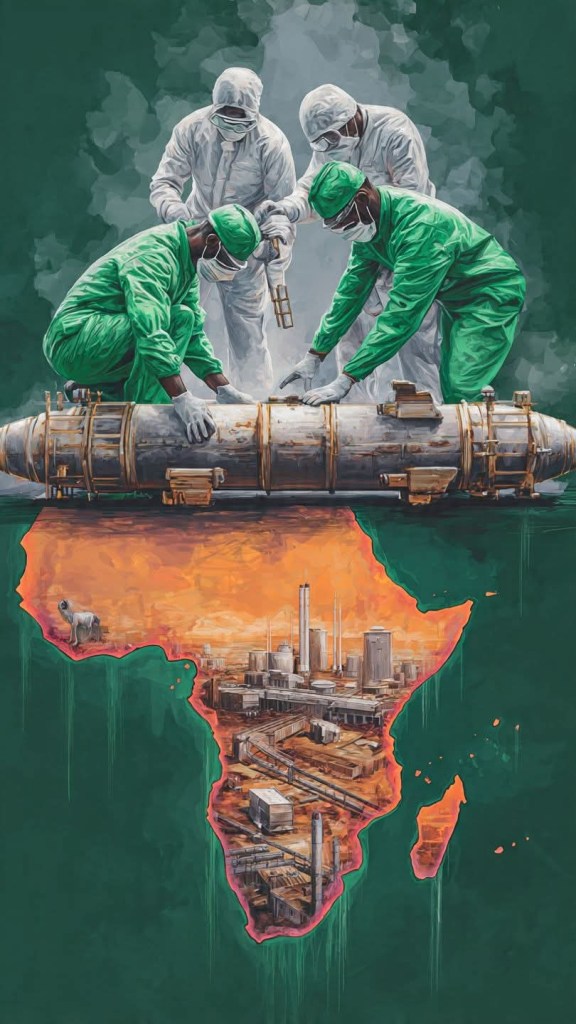
The treaty bans researching, developing, testing, possessing, or stationing nuclear weapons anywhere in Africa. It also bans dumping radioactive waste here.
But it allows nuclear tech for peaceful use – power, medicine, agriculture – under strict IAEA checks.
- WHO MADE THIS DEAL?
African countries made it themselves through the Organization of African Unity OAU, now the African Union AU.
The idea started way back in 1964 at the first OAU summit in Cairo. Leaders said: “We’re ready to sign an international agreement to never make or get nuclear weapons.”
It took 30 years to make it real. The final push happened after two things changed:
- The Cold War ended
- South Africa dismantled its 6 nuclear weapons in 1990 and joined the Nuclear Non-Proliferation Treaty. That removed the last barrier.
The treaty was drafted by African experts, adopted in Pelindaba, South Africa – ironically the same place where SA’s nukes were made and stored.
- WHY DID AFRICA CHOOSE THIS?
What they were afraid of:
- A nuclear arms race in Africa. If one country got nukes, others would follow. That would drain money and make Africa a target.
- Becoming a testing ground. France tested nukes in Algeria. Africa didn’t want to be used again.
- Foreign nukes on African soil. The treaty bans other countries from stationing weapons here.
What they hoped to gain:
- Security without nukes. Prove Africa can be stable without joining the nuclear game.
- Focus on development. Keep money for schools, hospitals, roads instead of bombs.
- Global respect. Africa took a leadership role in disarmament. The UN Security Council called it “historic.”
- Peaceful nuclear cooperation. The treaty guarantees access to nuclear tech for energy and health, but under international safeguards.
- WHAT DID THE WORLD DO?
The 5 nuclear-weapon states – US, Russia, China, France, UK – were asked to sign protocols promising not to use or threaten nukes against Africa.
China, France, and UK ratified. Russia signed. The US signed but never ratified.
Bottom line:
Africa banned nuclear weapons by choice, not force. Leaders decided in 1964 that a nuclear Africa would be a disaster. They waited until South Africa disarmed, then locked it in with the Pelindaba Treaty in 1996.
Today, Africa is the largest nuclear-weapon-free zone in the world by land area.
What do you think? Was this the right move for Africa?
Drop your thoughts below 👇