Cowrie Shells in the Kingdom of Kush: Currency, Culture, and Symbolism
Cowrie Shells in the Kingdom of Kush: Currency, Culture, and Symbolism
The Kingdom of Kush, one of Africa’s most powerful ancient civilizations, flourished in the region of modern-day Sudan along the Nile River. Known for its impressive cities, pyramids, and strong trade networks, Kush also participated in a wide exchange of goods and cultural practices across Africa, the Mediterranean, and the Indian Ocean world. Among the many valuable items that circulated in Kushite society, cowrie shells held a special place.
Cowrie shells as currency and trade goods
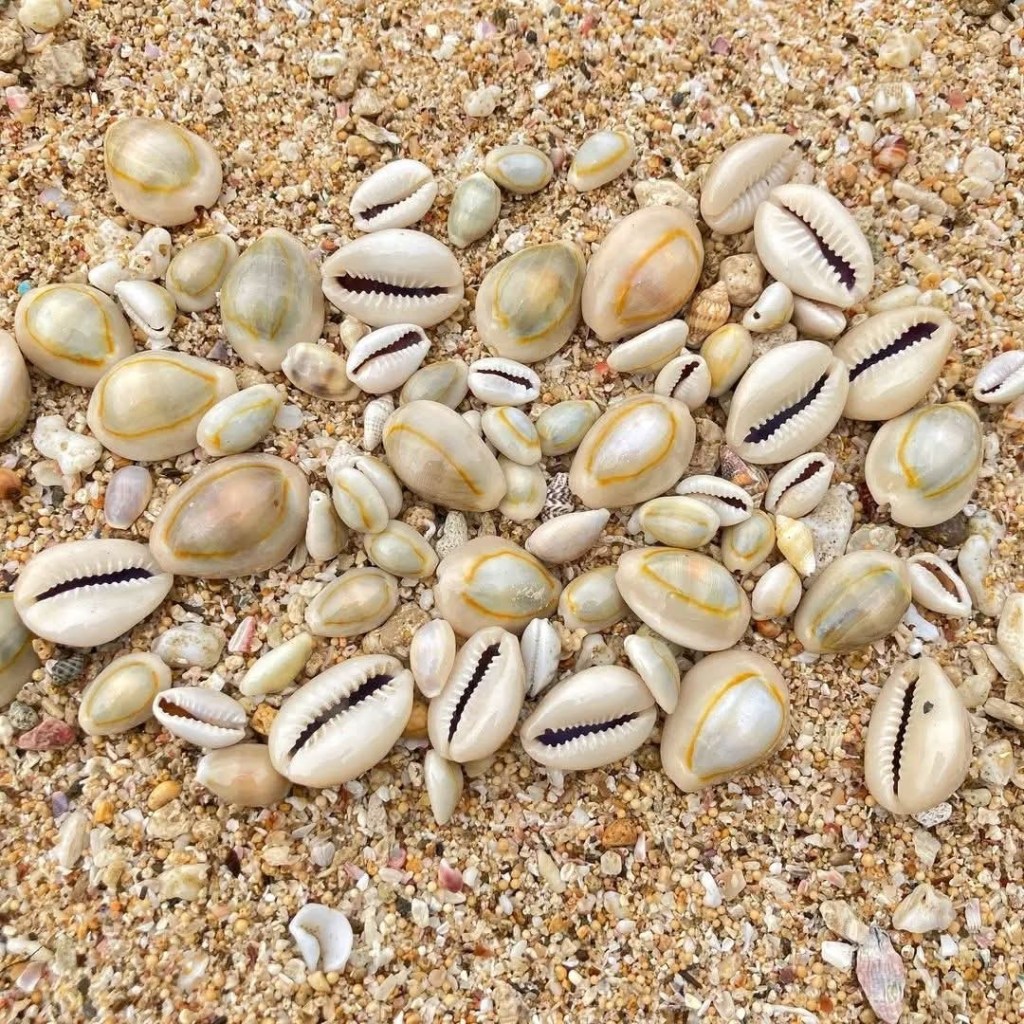
Cowrie shells were widely used in ancient Kush as a form of currency and exchange medium. Because they were small, durable, and relatively rare in inland Africa, they became highly valued in trade systems. Merchants used cowries to purchase essential goods such as grain, livestock, textiles, and luxury items.
These shells did not originate in the Nile Valley. Instead, they were imported through long-distance trade routes connecting the Red Sea and Indian Ocean regions. Their movement into Kush demonstrates how deeply the kingdom was connected to wider commercial networks. In many cases, cowries functioned like “portable wealth,” making them convenient for merchants and elites alike.
Symbols of wealth and social status
Beyond their economic role, cowrie shells were also powerful symbols of wealth and prestige in Kushite society. People who possessed large quantities of cowries were often seen as prosperous or influential. The shells could be stored as accumulated wealth or displayed to signal status within the community.
Elites and high-ranking individuals sometimes used cowries in ways that emphasized their social position, reinforcing distinctions between different levels of society. Their value was not only practical but also symbolic, reflecting the owner’s access to trade networks and resources.
Cowries in jewelry and burial practices
Cowrie shells were also widely used in personal adornment and artistic expression. They were sewn onto clothing, crafted into necklaces and bracelets, and used to decorate ceremonial objects. Their smooth, shiny appearance made them attractive decorative elements.
In burial contexts, cowries were sometimes placed in tombs alongside the deceased. This suggests that they may have had meaning beyond life, possibly serving as items meant to accompany or protect individuals in the afterlife. Their presence in graves highlights their importance in both daily life and spiritual beliefs.
Spiritual and cultural significance
Like in many African cultures, cowrie shells in Kush likely carried symbolic and spiritual meanings. They were often associated with ideas of fertility, protection, and life force. In some interpretations, their shape and ocean origin connected them to concepts of creation and continuity.
While specific religious meanings in Kush are not fully documented, their widespread use across African civilizations suggests they held more than just economic value,they were part of a broader cultural and symbolic system.
Cowrie shells in the Kingdom of Kush were far more than decorative objects. They played multiple roles as currency, status symbols, trade goods, and possibly spiritual items. Their presence highlights Kush’s deep connections to international trade routes and the richness of its cultural life. Through objects like cowrie shells, we gain a clearer understanding of how ancient Kushite society blended economics, art, and symbolism into everyday life.