
Patrice Lumumba remains one of Africa’s most powerful symbols of hope, courage, and betrayal. As the first Prime Minister of an independent Congo in 1960
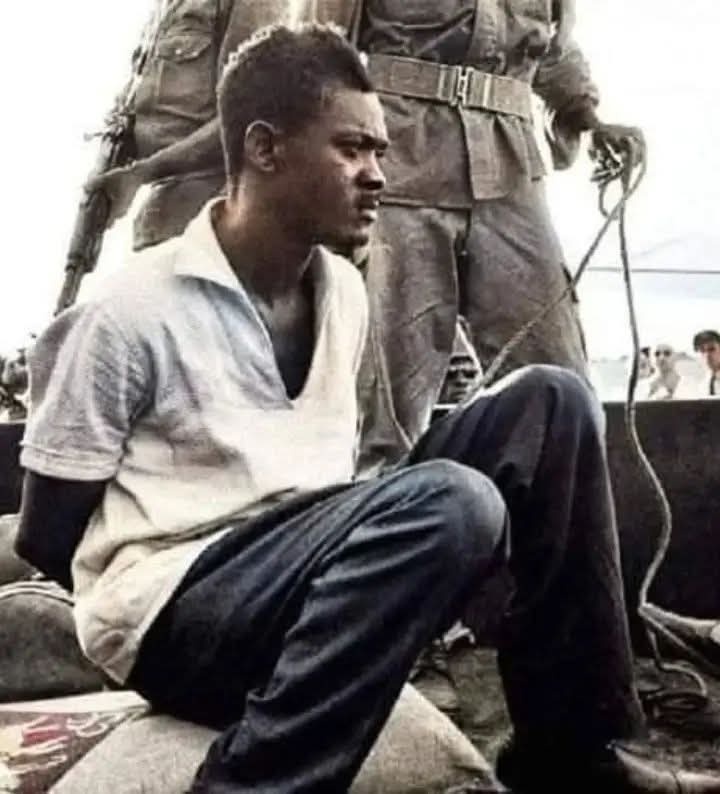
Patrice Lumumba remains one of Africa’s most powerful symbols of hope, courage, and betrayal. As the first Prime Minister of an independent Congo in 1960, he believed that the country’s vast wealth—its gold, diamonds, uranium, cobalt, and copper—should benefit the Congolese people rather than foreign powers and corporations. He spoke boldly against colonialism and dreamed of a united, self-reliant Africa. But that vision made him a threat. As Cold War tensions grew, foreign interests and internal rivals moved against him. Yet what makes his story so painful is that he was not brought down by outsiders alone. He was isolated, arrested, and handed over with the cooperation of fellow Congolese, including former allies who chose power and political survival over loyalty to their nation and its future.
In January 1961, Lumumba was £xecuted. His body was later d!smembered and d!ssolved in ac!d in an attempt to erase all traces of h!m. But ideas cannot be d!ssolved. His story endures because it reveals a painful truth: the strongest chains are often forged when external forces exploit internal division. Lumumba’s life forces us to ask a difficult question that still echoes across Africa today: why do we so often betray the very people fighting for our freedom, dignity, and future❓
 Hi welcome to my website