The beginning of the end of a Sultan of Sokoto
The beginning of the end of a Sultan of Sokoto
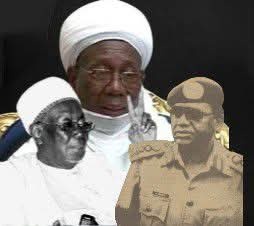
On July 8, 1993, the Sultan of Sokoto, Ibrahim Dasuki, declared support for the June 12, 1993 mandate of Moshood Abiola. He made that rare political intervention by publicly supporting the implementation of Nigeria’s June 12, 1993 presidential election won by Abiola urging that the winner be sworn in to avert a national crisis. It was one of the most significant public statements by a traditional ruler during the June 12 struggle, but it was one of the foundations of his eventual removal as Sultan.
The Sultan did not face any immediate official punishment for this. However, after Sani Abacha seized power in November 1993, Dasuki’s relationship with the military government deteriorated.
In April 1996, Abacha’s regime took the unprecedented step of deposing Dasuki as Sultan of Sokoto. The government removed him from office and sent him into internal exile—first to Yola and then to a village some distance from Jalingo after he was accused of ignoring official directives, travelling without approval, and creating divisions within the Sultanate.
However, many historians and political observers believe that the official reasons given by the government did not tell the whole story. They point to a combination of factors, including:
👉The Sultan’s perceived independence from the Abacha regime.
👉His sympathy for the pro-democracy movement that emerged after the annulment of the June 12 election.
👉Personal and political disagreements between Dasuki and Abacha.
After his removal, Dasuki lived a private life. He was also briefly detained under the Abacha regime despite a court ruling that he had no case to answer in a financial matter. He remained out of public office until his demise in 2016.
In 2023, seven years after his demise, the Sokoto State Government officially cleared Dasuki of the allegations that had been used to justify his deposition. A government white paper concluded there was no evidence of wrongdoing against him. The white paper ordered that his name be formally exonerated and that his entitlements be restored posthumously.