WAS JOSEPH GOMWALK REALLY GUILTY? WHY HIS CONVICTION IS STILL DEBATED
WAS JOSEPH GOMWALK REALLY GUILTY? WHY HIS CONVICTION IS STILL DEBATED
Following the failed military coup of February 13, 1976, which claimed the life of General Murtala Mohammed, Nigeria entered one of the most turbulent moments in its post-civil-war history.
The coup, led by Lieutenant Colonel Buka Suka Dimka, was crushed within hours.
In the aftermath, the Supreme Military Council launched a sweeping investigation to identify everyone believed to have participated in or assisted the conspiracy.
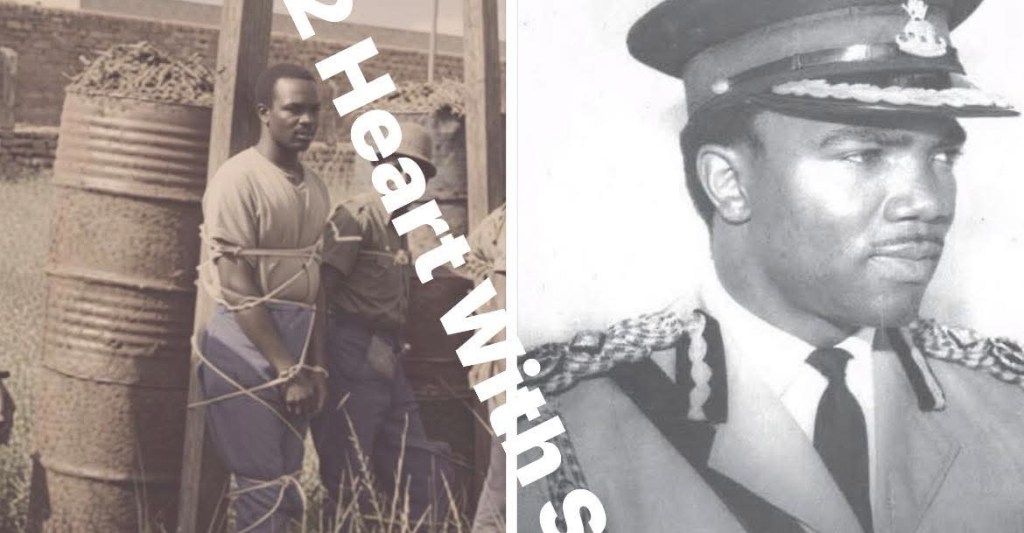
Among those arrested was Joseph Dechi Gomwalk, the former Military Governor of Benue-Plateau State.
He was tried by a Special Military Tribunal, found guilty of complicity in the coup attempt, and sentenced to death.
On May 15, 1976, he was executed alongside several other convicted military officers.
These historical facts are well documented.
What remains the subject of debate is not whether Gomwalk was executed, but whether the process that led to his conviction would satisfy modern standards of justice.
The tribunal sat under a military government during a period of national emergency. Proceedings were conducted swiftly, the rights of appeal were extremely limited, and the tribunal’s decisions were final.
Unlike civilian courts, military tribunals of that era were designed primarily to protect state security rather than provide lengthy judicial review.
Those who defend the verdict argue that the government acted within the military laws in force at the time and believed it faced a serious threat to the nation’s stability after the assassination of the Head of State.
Others argue that because the tribunal’s proceedings and evidence were never fully subjected to independent public scrutiny, it remains difficult to evaluate the strength of the case by today’s legal standards. Some historians also point to Gomwalk’s reputation as a disciplined administrator and question whether he received the level of due process expected in a civilian justice system.
No subsequent civilian court or judicial commission formally revisited or overturned his conviction.
As a result, Joseph Gomwalk remains one of the most controversial figures connected to the 1976 coup.
The official verdict has never changed, yet historians continue to debate whether the trial reflected complete justice or the extraordinary pressures of governing during a national crisis.
His story serves as a reminder that periods of political upheaval often leave behind questions that history cannot answer with absolute certainty.