Colonial fraud -: How Nations becoming personal properties
Colonial fraud -: How Nations becoming personal properties 🤔
MEET GEORGE GOLDIE WHO ‘SOLD’ NIGERIA TO BRITAIN
One of the most remarkable chapters in African history happened on January 1, 1900, when the British government took control of vast territories that were previously administered by a private British company known as the Royal Niger Company.
The man behind this company was Sir George Dashwood Taubman Goldie. Although he did not personally own Nigeria, his company controlled trade, collected taxes, signed treaties with local rulers, maintained a private army, and exercised governmental powers across large parts of the Niger and Benue regions.
Goldie built this influence in the late 1870s by elimin@ting rival British and French traders, creating a monopoly over the highly profitable palm oil trade. His dominance helped Britain strengthen its claim to the region.
After receiving a Royal Charter in 1886, the Royal Niger Company signed more than 300 treaties with local kings and emirs. While many African rulers believed they were agreeing to trade and protection arrangements, the English versions gave the company extensive political and administrative control.
The company’s harsh trade policies and taxation sparked resistance. One of the most notable uprisings came in 1895, when the people of Nembe-Brass attacked the company’s headquarters at Akassa after years of economic hardship. Britain responded with overwhelming military force.
By the late 1890s, the British government concluded that such a strategically important territory should no longer be governed by a profit-driven corporation. Goldie negotiated compensation before surrendering the company’s political authority.
On January 1, 1900, the Royal Niger Company transferred its lands, treaties, ports, and administrative powers to the British Crown for £865,000—a huge sum at the time. The agreement also allowed the company to receive a share of mineral royalties for many years.
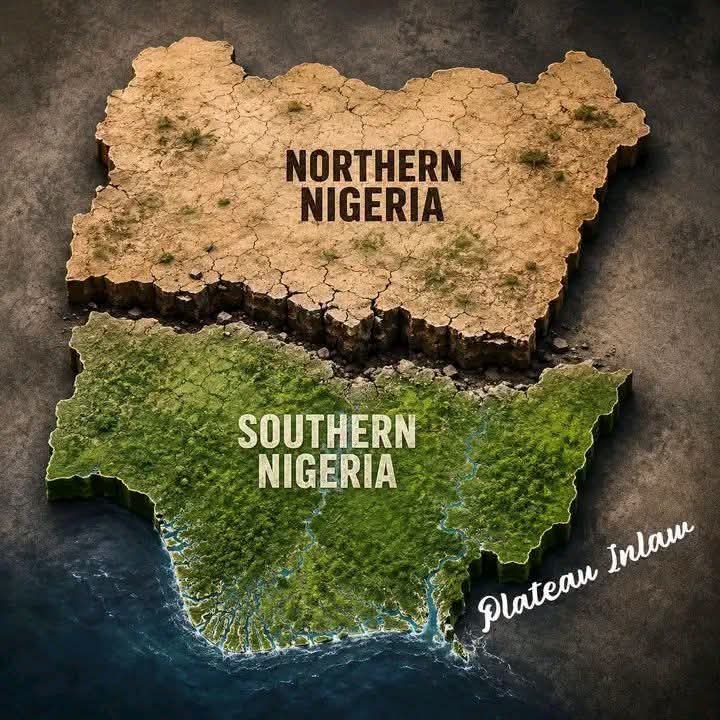
The territories later became the Protectorate of Northern Nigeria and the Protectorate of Southern Nigeria, which were united in 1914 to create modern Nigeria. The Royal Niger Company returned to commercial trading 🇳🇬