
Michael Imoudu: The Labour Leader Who Shook Colonial Nigeria
Michael Imoudu: The Labour Leader Who Shook Colonial Nigeria
The magazine cover above, dated 2 September 1963, asked a question that stunned Nigeria’s labour movement:
“What made Imoudu quit?”
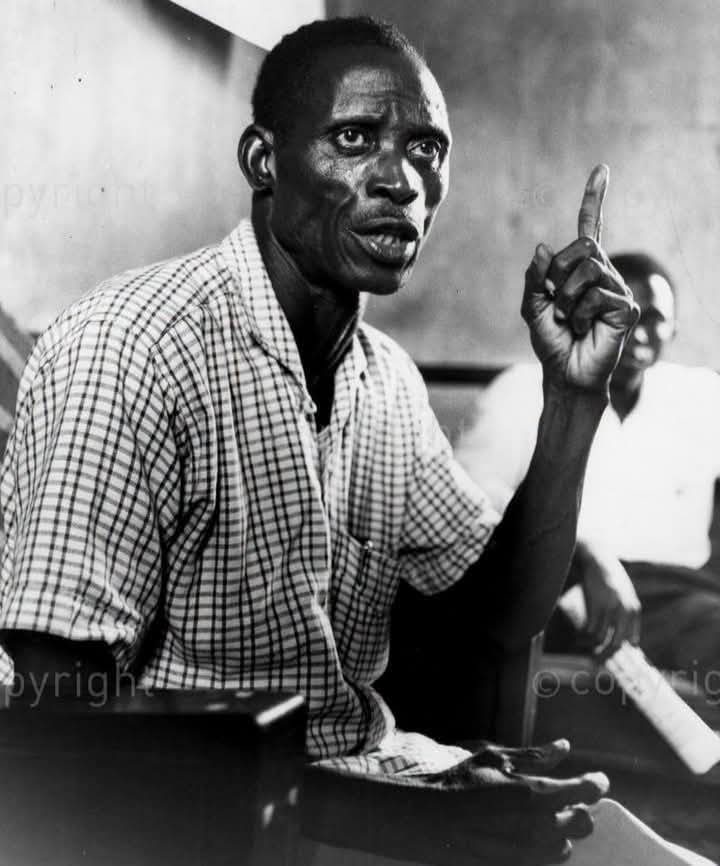
It referred to Michael Imoudu, one of Nigeria’s most influential trade unionists, who resigned as leader of the left-wing Independent United Labour Congress.
Long before then, Imoudu had earned his place in history through his leadership of the Railway Workers’ Union (RWU), one of the most militant labour unions during the colonial era.
In June 1945, Nigerian workers embarked on what became the country’s first nationwide general strike. The colonial government released Imoudu from detention, hoping to calm tensions. Instead, his release inspired workers to press on with renewed determination.
As the strike gained momentum, Imoudu became its most prominent voice, calling on workers to remain united in their demand for better wages and improved working conditions. The movement attracted widespread public sympathy and support from sections of the nationalist movement, with Nnamdi Azikiwe using his newspapers to amplify the workers’ cause.
The strike eventually mobilised more than 200,000 workers across 17 unions, making it one of the largest labour actions in Nigeria’s history. It resulted in wage improvements, strengthened the labour movement, and demonstrated the power of organised collective action.
More than an industrial dispute, the 1945 General Strike became a turning point in Nigeria’s nationalist struggle, proving that ordinary Nigerians could unite to challenge colonial authority.
Michael Imoudu’s legacy endures as that of a fearless labour leader whose activism helped shape both Nigeria’s labour movement and its journey toward independence.
 Hi welcome to my website